
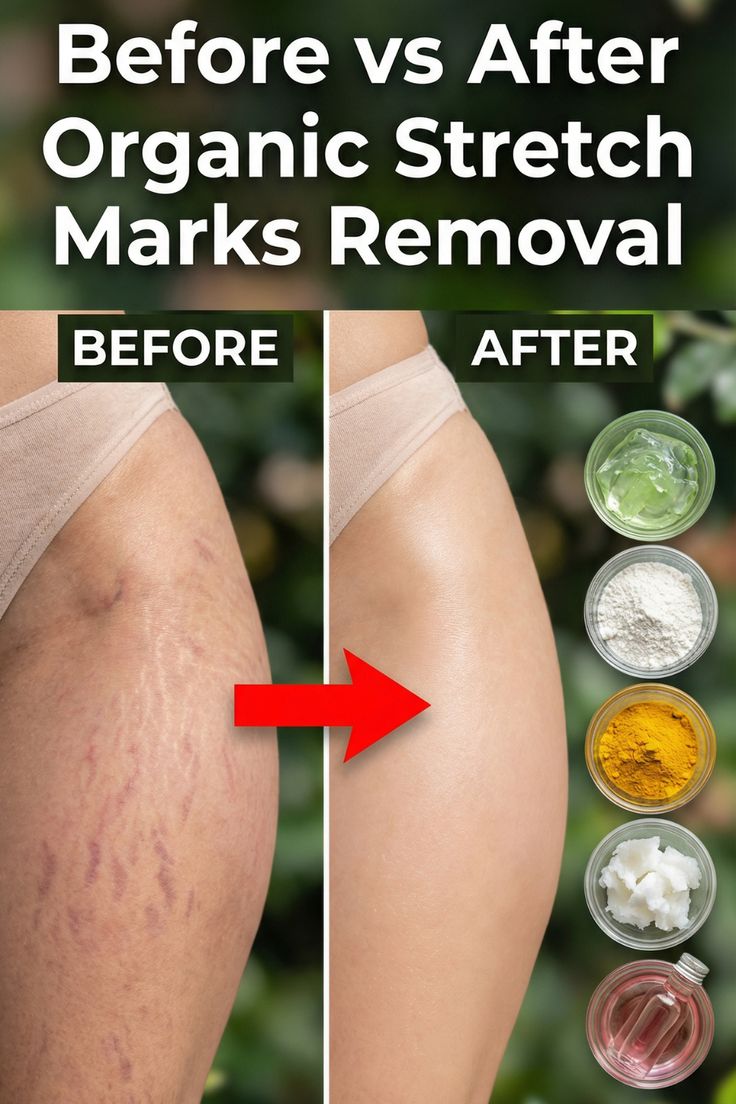
Fading Stretch Marks Naturally: Understanding DIY Skin Remedies and Dermatological Realities
Introduction: The Search for Healthy, Radiant Skin
Maintaining vibrant skin, confidence, and personal wellbeing remains a top priority for people across every stage of life. Just as we carefully manage our long-term financial security through strategic investment, securing a manageable mortgage, or reviewing our family’s finance plans, taking care of our physical health requires deliberate attention and thoughtful choices. Skin care is a major component of overall wellness, and finding safe, effective methods to address common cosmetic concerns like stretch marks is a frequent goal for millions of individuals.
Across modern digital platforms, viral beauty hacks and homemade remedies have gained immense popularity. Graphic visual comparisons showcasing dramatic transformations—such as applying a simple tomato and honey mixture to instantly erase deep skin striations—frequently capture public curiosity. While natural ingredients offer unique moisturizing and restorative properties, separating social media trends from clinical skincare realities is crucial for achieving safe, lasting results.
This comprehensive guide explores the anatomy of stretch marks, evaluates the actual science behind natural remedies like tomato and honey, examines clinical dermatological options, and offers actionable strategies for maintaining resilient, healthy skin.
Understanding How Stretch Marks Form
To evaluate whether home remedies can fade or remove stretch marks, it is essential to understand what happens beneath the surface of the skin. Known medically as striae, stretch marks are a form of dermal scarring caused by rapid stretching or shrinking of the skin tissue.
The Biological Mechanism Behind Skin Scars
-
Dermal Tearing: The skin consists of three main layers: the epidermis (outer layer), the dermis (middle layer), and the hypodermis (subcutaneous layer). When the body expands rapidly during growth spurts, weight fluctuations, muscle building, or pregnancy, the connective fibers in the dermis stretch beyond their elastic limits and tear.
-
Inflammation and Color Changes: In the early stage (striae rubrae), newly formed stretch marks appear pink, reddish, or purplish due to visible blood vessels underneath the damaged dermal tissue.
-
Maturation and Scarring: Over time, as blood vessels contract, the marks mature into striae albae, taking on a silvery-white, indented appearance as collagen fibers realign into scar tissue.
Managing health concerns with evidence-based knowledge is as essential as consulting a qualified attorney or securing proper health insurance when navigating complex legal or medical challenges. Understanding skin physiology prevents unrealistic expectations and protects your skin barrier from potential damage.
Evaluating DIY Ingredients: Tomato and Honey
Home remedies combining tomatoes and raw honey are frequently praised in online communities for their simplicity and affordability. While these ingredients cannot physically reconstruct torn dermal collagen, they offer genuine skin benefits when incorporated into a general self-care routine.
+------------------+-----------------------------------------+------------------------------------------+
| Ingredient       | Key Nutrients / Active Elements         | Primary Skincare Benefit                 |
+------------------+-----------------------------------------+------------------------------------------+
| Fresh Tomato     | Lycopene, Vitamin C, Vitamin A, Acids   | Antioxidant protection, gentle exfoliation |
| Pure Honey       | Natural Humectants, Enzymes, Flavonoids | Deep hydration, soothing, barrier support|
+------------------+-----------------------------------------+------------------------------------------+
The Role of Fresh Tomato Juice
-
Antioxidant Powerhouse: Tomatoes are rich in lycopene, a potent antioxidant that helps defend skin cells against environmental oxidative stress and free radical damage.
-
Mild Exfoliation: Natural fruit acids present in tomato juice assist in gently dissolving dead skin cells on the epidermal surface, promoting a smoother texture.
-
Vitamin Content: Vitamin C in tomatoes supports general collagen synthesis, though topical absorption into deeper dermal layers remains limited.
The Role of Raw Honey
-
Humectant Properties: Honey is a natural humectant, meaning it draws atmospheric moisture directly into the outer layers of the skin, improving hydration and softness.
-
Skin Soothing: Rich in anti-inflammatory and antibacterial compounds, honey calms surface irritation, supports the skin barrier, and enhances elasticity.
While blending these ingredients creates a nourishing topical mask that enhances skin hydration and radiance, it cannot permanently erase structural dermal scars. Evaluating claims with healthy skepticism protects your physical and financial health, ensuring you invest wisely in remedies backed by science.
Clinical Options for Fading Stretch Marks
For individuals seeking significant visual reduction of mature stretch marks, professional medical treatments performed by certified dermatologists yield the most consistent outcomes.
Evidence-Based Dermatological Treatments
-
Topical Retinoids: Prescription-strength retinoids stimulate cell turnover and encourage new collagen formation, making them particularly effective on early, reddish stretch marks when used consistently.
-
Microneedling: This procedure creates controlled micro-injuries in the skin using tiny needles, triggering the body’s natural wound-healing process to produce fresh collagen and elastin fibers.
-
Laser and Light Therapies: Pulsed dye lasers, fractional lasers, and intense pulsed light (IPL) target either vascular redness or structural scarring, helping smooth texture and blend skin tone.
-
Chemical Peels: Professional-grade acid peels exfoliate outer skin layers, encouraging cellular renewal and enhancing general surface smoothness.
Before committing to clinical procedures, carefully review your personal budget and medical coverage. Consulting a certified health provider or dermatologist ensures that chosen therapies align with your personal wellness goals and budget.
Practical Tips for Building a Healthy Skincare Routine
Supporting skin elasticity and overall dermal strength requires a holistic, daily approach combining hydration, nutrition, and gentle care.
Step-by-Step Daily Best Practices
-
Maintain Deep Internal Hydration: Drink plenty of water throughout the day. Well-hydrated skin remains more supple and elastic, reducing susceptibility to tissue strain.
-
Moisturize Consistently: Apply rich emollients containing ingredients like hyaluronic acid, shea butter, cocoa butter, or ceramides daily to reinforce the skin barrier.
-
Eat a Nutrient-Dense Diet: Fuel your body with foods rich in Vitamin C, Vitamin E, zinc, and lean proteins, which provide essential building blocks for natural collagen production.
-
Protect Skin from Sun Exposure: UV radiation breaks down collagen and can make stretch marks more noticeable by darkening surrounding skin. Apply broad-spectrum sunscreen regularly.
-
Avoid Harsh Home Scrubs: Refrain from aggressive physical scrubbing on delicate skin, which can cause micro-tears and worsen skin irritation.
Adopting structured habits in your wellness journey reflects the same discipline required in modern business, academic education, or deploying complex technology solutions—consistency and informed planning always yield the best long-term outcomes.
Fascinating Facts About Human Skin and Elasticity
-
Largest Organ: The skin is the human body’s largest organ, accounting for approximately 15% of total adult body weight.
-
Natural Regeneration: The epidermis completely replaces itself roughly every 28 to 40 days, depending on age and general health.
-
Genetic Factors: Susceptibility to stretch marks is heavily influenced by genetics, skin thickness, and individual collagen structure rather than weight alone.
-
Pregnancy Prevalence: Research indicates that between 50% and 90% of pregnant women develop stretch marks across the abdomen, hips, or thighs.
Conclusion: Balancing Natural Care with Realistic Expectations
Exploring DIY beauty remedies offers a wonderful opportunity to engage in relaxing self-care and embrace natural ingredients like tomato and honey for general skin hydration. However, understanding that deep dermal scars require time, hydration, or specialized clinical treatments prevents disappointment and protects your skin health. Just as building a solid retirement fund or managing long-term loan obligations requires patience and sound advice, maintaining healthy, glowing skin is a lifelong journey built on daily care and realistic habits.
FAQ Section
Q: Can a DIY tomato and honey mask permanently remove stretch marks?
A: No. While tomato and honey nourish, hydrate, and smooth the outer layer of the skin (epidermis), they cannot repair torn collagen fibers within the deeper dermal layer.
Q: Are home remedies using tomatoes safe for all skin types?
A: Tomatoes contain natural acids that may cause irritation or allergic reactions on sensitive skin. Always perform a small patch test on your inner arm before applying fruit mixtures to larger body areas.
Q: When is the best time to treat stretch marks?
A: Stretch marks respond best to treatments when they are new, reddish, or purple (striae rubrae), as active blood circulation makes collagen stimulation more effective.
Q: Does drinking water prevent stretch marks from forming?
A: While staying hydrated improves general skin elasticity and overall health, hydration alone cannot completely prevent stretch marks caused by rapid biological growth or genetic predisposition.
Q: Should I consult a dermatologist before undergoing professional treatments?
A: Yes. Consulting a board-certified dermatologist ensures an accurate skin assessment and helps you select safe, effective treatments tailored to your specific skin type and medical history.
