
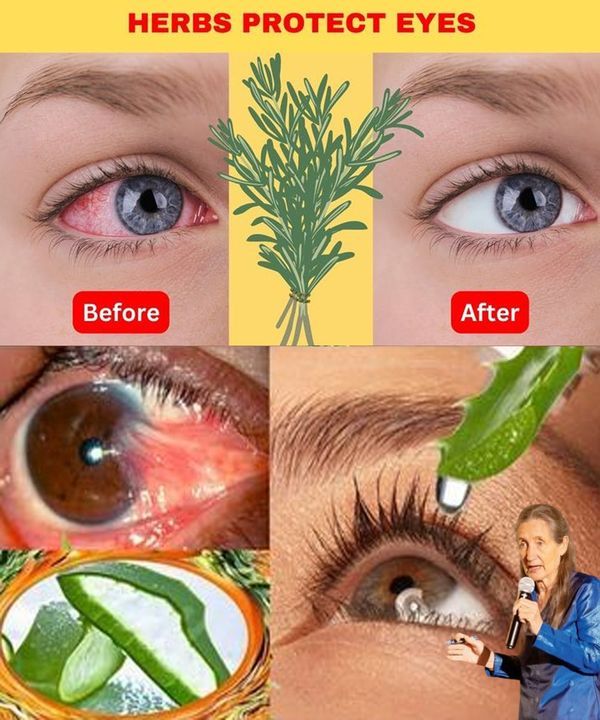
FACEBOOK POST:
Are you curious about how herbs and natural extracts protect eye health? Discover the truth behind viral eye remedies! 🌿👁️
True or False? 🤔
Full guide in the first comment 👇
ARTICLE:
Herbs and Eye Health: Understanding Natural Remedies, Ocular Wellness, and Medical Realities
Introduction: The Search for Optimal Vision and Ocular Care
Maintaining clear vision, comfortable eyes, and long-term ocular health remains a central priority for people of all ages. Just as we safeguard our financial security through prudent investment, managing a long-term mortgage, or reviewing our family’s finance strategies, taking proactive care of our physical senses requires thoughtful, informed choices. Vision is arguably one of our most vital senses, and finding safe, effective methods to address common eye conditions—such as dry eye syndrome, redness, or inflammation—is an ongoing goal for millions.
In digital spaces, viral health infographics frequently share dramatic claims about natural treatments. Graphics featuring illustrations of herbs like rosemary or aloe vera alongside “Before and After” eye photos often suggest that applying raw botanical extracts directly to the eyes can instantly clear redness or heal complex eye conditions. While certain plants contain powerful antioxidants and bioflavonoids that benefit general health when consumed as food, evaluating online medical claims with scientific rigor is essential for protecting your sight.
This comprehensive article explores how herbs interact with human biology, examines the serious risks associated with applying unverified natural substances to the eyes, reviews evidence-based ocular care, and offers actionable strategies for maintaining healthy vision.
Understanding Eye Anatomy and Ocular Sensitivity
To understand why applying unstudied herbal mixtures directly to the eyes can be dangerous, it helps to examine the delicate anatomy of the human eye. The ocular surface is one of the most sensitive and vulnerable organ systems in the body.
Key Components of the Ocular Surface
-
The Cornea: The transparent outer layer at the front of the eye that refracts light and protects inner structures. The cornea is densely packed with nerve endings, making it exceptionally sensitive to pain and foreign substances.
-
The Conjunctiva: A thin, clear membrane that covers the front of the eye and lines the inside of the eyelids. When irritated or infected, the blood vessels in the conjunctiva dilate, causing redness (conjunctivitis).
-
The Tear Film: A complex three-layer coating (lipid, aqueous, and mucin) that keeps the eye lubricated, smooth, and clear of pathogens. Disrupting this balance can lead to severe dry eye and inflammation.
Managing health concerns with evidence-based medical knowledge is just as vital as consulting a qualified attorney or reviewing your health insurance coverage when navigating legal or healthcare decisions. Protecting your vision requires strict adherence to sterile, clinically tested treatments.
Evaluating Herbal Claims for Eye Health
Herbs like rosemary, green tea, eyebright (Euphrasia officinalis), and aloe vera are celebrated for their natural antioxidant and anti-inflammatory properties. However, there is a fundamental difference between dietary consumption or sterile pharmaceutical formulations and raw home application.
+-------------------+-----------------------------------------+------------------------------------------+
| Botanical Element | Key Active Compounds                    | Proper / Safe Application Method         |
+-------------------+-----------------------------------------+------------------------------------------+
| Rosemary          | Rosmarinic Acid, Carnosic Acid          | Dietary intake (seasoning, tea)          |
| Aloe Vera         | Polysaccharides, Vitamins A, C, & E    | Topical skin care (NEVER directly in eye)|
| Bilberry / Carrot | Anthocyanins, Beta-Carotene             | Oral supplements / balanced nutrition    |
+-------------------+-----------------------------------------+------------------------------------------+
The Role of Dietary Antioxidants
-
Systemic Support: Consuming herbs and colorful vegetables rich in lutein, zeaxanthin, and rosmarinic acid helps protect retinal cells against oxidative stress caused by UV light and digital screen exposure.
-
Vascular Health: Bioflavonoids support healthy microvascular circulation throughout the body, including the delicate blood vessels that nourish the retina and optic nerve.
The Risks of Direct Ocular Application
-
Severe Infection Risk: Raw plant matter, unboiled water, and homemade drops carry bacteria, fungi, and microscopic parasites that can cause corneal ulcers or permanent scarring.
-
Chemical Irritation and Burns: Plants naturally contain acids, essential oils, and enzymes that can cause chemical burns, severe corneal irritation, or allergic conjunctivitis when applied directly to the ocular surface.
-
Sterility Issues: Commercial eye drops are manufactured in sterile laboratories under strict regulations to ensure exact pH levels and zero microbial contamination.
Evaluating online health advice with critical thinking safeguards both your physical wellbeing and your long-term medical stability, ensuring you never compromise your sight for unverified quick fixes.
Evidence-Based Solutions for Common Eye Conditions
When dealing with eye redness, dryness, or irritation, certified optometrists and ophthalmologists recommend clinically proven approaches that preserve tear film integrity.
Recommended Clinical Care Practices
-
Preservative-Free Artificial Tears: For mild dryness or irritation, sterile over-the-counter lubricated eye drops help restore the natural tear film safely.
-
Warm Compresses: Applying a clean, warm compress over closed eyelids helps unblock oil glands (meibomian glands) along the eyelid margins, improving natural eye lubrication.
-
Prescription Anti-Inflammatory Drops: For chronic dry eye or severe allergic conjunctivitis, eye care professionals prescribe sterile medicated drops that safely target inflammation.
-
Dietary Supplementation: Taking omega-3 fatty acid supplements (such as fish oil or flaxseed oil) supports high-quality tear production from within the body.
Before starting any new wellness regimen or treating persistent eye symptoms, consult a licensed eye doctor. Seeking professional guidance ensures accurate diagnosis and protects your eyes from accidental harm.
Practical Tips for Daily Vision Care and Eye Protection
Maintaining healthy vision in the modern world requires proactive habits that guard against digital eye strain, environmental pollutants, and premature aging.
Step-by-Step Daily Best Practices
-
Follow the 20-20-20 Rule: When working on computers or mobile devices, take a 20-second break every 20 minutes to look at an object at least 20 feet away to relax focusing muscles.
-
Wear UV-Blocking Sunglasses: Protect your eyes from harmful ultraviolet radiation by wearing broad-spectrum sunglasses when outdoors, which helps prevent cataracts and pterygium growth.
-
Practice Proper Hygiene: Always wash your hands thoroughly before touching your face or inserting contact lenses, and never share eye makeup or towels.
-
Optimize Indoor Humidity: Use a humidifier in dry or air-conditioned environments to keep your ocular surface from drying out quickly.
-
Schedule Annual Eye Exams: Comprehensive dilated eye exams can detect early signs of conditions like glaucoma, macular degeneration, and diabetic retinopathy before symptoms appear.
Integrating systematic habits into your daily routine reflects the same discipline required in modern business, academic education, or deploying advanced technology solutions—consistency and expert advice consistently deliver the safest long-term results.
Fascinating Facts About Vision and Ocular Biology
-
Rapid Healing: The corneal epithelium is one of the fastest-healing tissues in the human body, often repairing minor surface scratches within 24 to 48 hours.
-
Blinking Frequency: The average person blinks approximately 15 to 20 times per minute, which cleanses the eye surface and spreads a fresh layer of tear film.
-
Screen Effect: Studies show that people blink up to 50% less frequently when viewing digital screens, leading directly to increased digital eye strain and temporary dryness.
-
Antioxidant Concentration: The human retina contains high concentrations of macular pigments (lutein and zeaxanthin) that act as natural “internal sunglasses” filtering blue light.
Conclusion: Balancing Natural Wellness with Scientific Care
Exploring natural health trends and herbal nutrition offers a wonderful pathway to support general vitality. However, when it comes to delicate organs like the eyes, distinguishing between dietary benefits and safe medical practices is paramount. Never apply unsterilized home remedies, raw plant juices, or DIY extracts directly into your eyes. Just as building a solid retirement plan or managing long-term loan commitments requires sound guidance, protecting your precious vision relies on proven scientific care, healthy daily habits, and regular consultations with certified eye professionals.
FAQ Section
Q: Is it safe to put aloe vera juice or herbal tea directly into my eyes?
A: No. Applying raw aloe vera, herbal teas, or unsterilized plant extracts directly into the eyes carries a extreme risk of bacterial or fungal infection, chemical irritation, and severe corneal damage.
Q: Can dietary herbs like rosemary or bilberry improve my eye health?
A: Yes, when consumed as part of a balanced diet or approved dietary supplement, antioxidant-rich herbs support general cellular health and blood vessel integrity throughout the body, including the eyes.
Q: What is the safest way to treat sudden eye redness at home?
A: The safest home treatment for general irritation is using sterile, preservative-free artificial tear drops and applying a clean, warm compress over closed eyelids. If redness persists, consult an eye doctor.
Q: What causes eyes to look red and irritated?
A: Common causes include fatigue, environmental allergies, digital eye strain, dry eye syndrome, contact lens irritation, or bacterial/viral conjunctivitis.
Q: When should I see a doctor for eye symptoms?
A: Seek immediate medical care if you experience severe eye pain, sudden changes in vision, extreme sensitivity to light, discharge, or if redness does not improve after a day or two of basic resting.
