
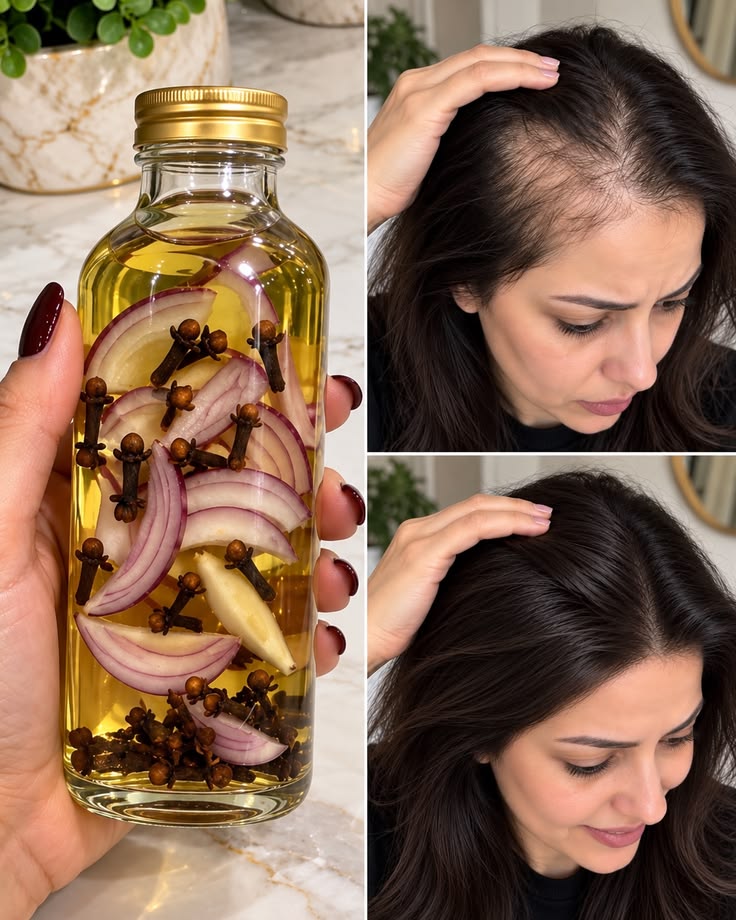
Onion, Garlic, and Clove Hair Oil: Understanding Natural Scalp Treatments, Hair Growth, and Trichological Realities
Introduction: The Search for Fuller, Healthier Hair
Maintaining thick, lustrous hair, strong scalp health, and overall physical confidence remains a central goal for individuals in every stage of life. Just as we carefully manage our long-term financial stability through prudent investment, securing a manageable mortgage, or reviewing our general household finance strategy, taking care of our physical health requires informed and deliberate choices. Hair care forms an essential component of personal grooming, and finding safe, effective ways to address common hair concerns like thinning, excessive shedding, and slow growth is a top priority for millions worldwide.
Across modern digital platforms, viral beauty hacks and homemade hair oil remedies have gained immense popularity. Graphic visual comparisons showcasing dramatic transformations—such as infusing carrier oils with sliced red onion, garlic cloves, and whole cloves in a glass jar to instantly reverse hair loss or double hair density—frequently capture public curiosity. While natural kitchen ingredients contain rich sulfur compounds and antioxidants that support scalp circulation, separating online viral claims from clinical trichological facts is crucial to protect your hair follicles and achieve safe, lasting results.
This comprehensive guide explores the biology of hair growth, evaluates the actual effects of combining onion, garlic, and cloves for scalp treatments, examines professional trichological solutions, and offers actionable strategies for maintaining strong, healthy hair.
Understanding Hair Growth Cycles and Follicle Mechanics
To evaluate whether home remedies can boost hair growth or reverse thinning, it is essential to understand how hair follicles function beneath the scalp.
The Biological Stages of Hair Growth
-
The Anagen Phase (Growth): The active growth phase where hair follicle cells divide rapidly, forming new hair shafts. This phase lasts anywhere from 2 to 7 years, largely determined by genetics and individual health.
-
The Catagen Phase (Transition): A short 2 to 3 week phase where hair growth stops, and the outer root sheath shrinks and attaches to the root of the hair.
-
The Telogen Phase (Resting): A resting phase lasting around 3 months, after which the hair naturally sheds to allow a new anagen shaft to begin growing from the follicle.
-
Factors Influencing Thinning: Hormonal imbalances (such as DHT binding to hair receptors), nutritional deficiencies, chronic stress, scalp inflammation, and genetic predisposition can shorten the anagen phase, causing hair follicles to miniaturize over time.
Managing personal health decisions with evidence-based facts is just as vital as consulting a qualified attorney or reviewing your health insurance policies when making major financial or legal choices. Understanding hair anatomy prevents unrealistic expectations and protects your scalp barrier from potential contact irritation caused by unverified DIY infusions.
Evaluating Onion, Garlic, and Cloves in Homemade Hair Oils
Home oil formulations combining sliced red onions, peeled garlic cloves, and whole cloves steeped in oil are frequently praised online for their stimulating properties. Evaluating their physiological interaction with the scalp helps prevent accidental irritation while leveraging their natural benefits.
| Natural Ingredient | Key Active Compounds | Primary Scalp & Hair Benefits |
| Red Onion | Dietary Sulfur, Quercetin, Flavonoids | Supports keratin production, offers antioxidant protection |
| Garlic Cloves | Allicin, Selenium, Sulfur Compounds | Antimicrobial properties, stimulates local blood circulation |
| Whole Cloves | Eugenol, Beta-Caryophyllene, Antioxidants | Anti-inflammatory action, soothes itchy or flaky scalp |
The Role and Benefits of Onion and Garlic
-
Sulfur Content for Keratin: Hair shafts are primarily composed of a fibrous protein called keratin, which relies heavily on sulfur bridges for structural strength. Onions and garlic are naturally rich in sulfur, which can support follicle strength when applied topically.
-
Microcirculation Boost: Allicin in garlic and antioxidants in red onion juice stimulate microcirculation around the hair roots when massaged into the scalp, ensuring better delivery of oxygen and nutrients.
The Risks and Limitations of DIY Oil Infusions
-
Scalp Irritation and Contact Dermatitis: Raw onion and garlic juices are potent and sulfurous. Applying undiluted extracts or poorly filtered raw oil mixtures directly to sensitive scalp skin can cause chemical burning, redness, and severe itching.
-
Bacterial Contamination: Steeping raw, water-dense vegetables like onions and garlic in oil without proper preservatives or heat sterilization can create an environment for anaerobic bacteria or mold growth over time.
-
Inability to Alter Genetic Loss: While nutrient-rich oils soothe dryness and support surface follicle health, they cannot block hormonal factors like Dihydrotestosterone (DHT), which drives androgenetic alopecia (pattern baldness).
Evaluating beauty trends with healthy skepticism safeguards both your health and financial wellbeing, ensuring you invest wisely in routines supported by scientific evidence.
Clinical Options for Hair Density and Loss Treatment
For individuals seeking visible reduction in hair shedding or recovery from pattern baldness, professional medical treatments performed by certified dermatologists or trichologists yield the most consistent and safe outcomes.
Evidence-Based Trichological Approaches
-
Topical Minoxidil: An FDA-approved over-the-counter treatment that widens blood vessels and opens potassium channels in the scalp, encouraging hair follicles to transition from the resting phase into active anagen growth.
-
Oral Prescription Medications: Treatments that inhibit 5-alpha-reductase enzymes block the conversion of testosterone into DHT, preventing genetic follicle miniaturization in men and eligible women under medical supervision.
-
Platelet-Rich Plasma (PRP) Therapy: A clinical procedure where a patient’s own blood platelets are concentrated and injected into thinning areas of the scalp to release growth factors that stimulate dormant hair follicles.
-
Low-Level Laser Therapy (LLLT): Medical-grade red light therapy devices stimulate cellular respiration within hair follicle mitochondria, encouraging improved cell metabolism and hair thickness.
Before committing to clinical treatments, carefully review your personal budget and healthcare coverage. Seeking professional guidance ensures that chosen therapies align safely with your specific hair loss cause and health profile.
Practical Tips for Building a Healthy Hair and Scalp Care Routine
Promoting strong hair growth and maintaining a clean, balanced scalp requires a holistic, daily approach combining nutrition, proper cleansing, and gentle physical care.
Step-by-Step Daily Best Practices
-
Prioritize Scalp Hygiene: Wash your hair regularly with a gentle, sulfate-free shampoo to remove sebum buildup, dead skin cells, and environmental pollutants that can clog hair follicles.
-
Perform Gentle Scalp Massages: Spend 3 to 5 minutes daily massaging your scalp with your fingertips. Regular physical stimulation promotes blood flow to the hair roots without causing mechanical breakage.
-
Perform Patch Tests for DIY Oils: Always test homemade herbal oils on a small patch of skin (such as behind the ear) and wait 24 to 48 hours before applying them broadly to your scalp.
-
Fuel Growth From Within: Eat a nutrient-dense diet rich in protein, iron, zinc, biotin, and Vitamin D to supply your body with essential building blocks for healthy hair synthesis.
-
Minimize Heat and Chemical Damage: Limit the use of high-heat styling tools and harsh chemical treatments, which weaken the protein structure of the hair shaft and lead to severe breakage.
Adopting structured, cautious habits in self-care reflects the same discipline required in modern business, academic education, or deploying modern technology systems—consistency and informed planning always yield the best long-term results.
Fascinating Facts About Human Hair and Follicles
-
Average Density: The human scalp contains an average of 100,000 to 150,000 hair follicles, which are fully formed before birth.
-
Natural Shedding Rate: It is completely normal to shed between 50 and 100 hairs per day as part of the natural telogen resting phase.
-
Tensile Strength: A single healthy hair strand can support up to 100 grams of weight, making hair steel-like in proportional strength when healthy.
-
Rapid Growth Rate: Hair is the second fastest-growing tissue in the human body, surpassed only by bone marrow.
Conclusion: Balancing Natural Care with Evidence-Based Choices
Exploring natural home remedies offers an enjoyable way to engage in relaxing self-care and embrace beneficial ingredients like onion, garlic, and cloves for scalp massage. However, understanding that severe hair shedding or genetic thinning requires gentle daily maintenance, balanced nutrition, or targeted clinical treatments prevents disappointment and keeps your scalp safe. Just as building a solid retirement plan or managing long-term loan obligations requires patience and sound advice, maintaining thick, healthy hair is a lifelong journey built on daily care and realistic habits.
FAQ Section
Q: Can a DIY oil made from onion, garlic, and cloves completely reverse hair loss?
A: No. While sulfur-rich ingredients like onion and garlic support scalp circulation and provide nourishing minerals, raw DIY oils cannot reverse genetic pattern baldness or repair permanently scarred hair follicles.
Q: How often should I use onion, garlic, and clove oil on my scalp?
A: If no allergic reaction occurs during a patch test, applying a diluted herbal oil once or twice a week as a pre-shampoo scalp treatment for 20 to 30 minutes is sufficient.
Q: Is it safe to leave homemade onion and garlic oil on overnight?
A: Leaving raw onion or garlic mixtures on the scalp overnight is not recommended. The potent active sulfur compounds can cause severe scalp irritation, contact dermatitis, or clogged pores.
Q: What is the most common cause of sudden excessive hair shedding?
A: Sudden temporary shedding is often caused by Telogen Effluvium, triggered by high stress, illness, rapid weight loss, or nutritional deficiencies, which forces follicles prematurely into the resting phase.
Q: Should I consult a doctor before trying intensive hair loss remedies?
A: Yes. Consulting a board-certified dermatologist or trichologist ensures an accurate diagnosis of your scalp condition, helping you select safe, effective treatments tailored to your health history.
