
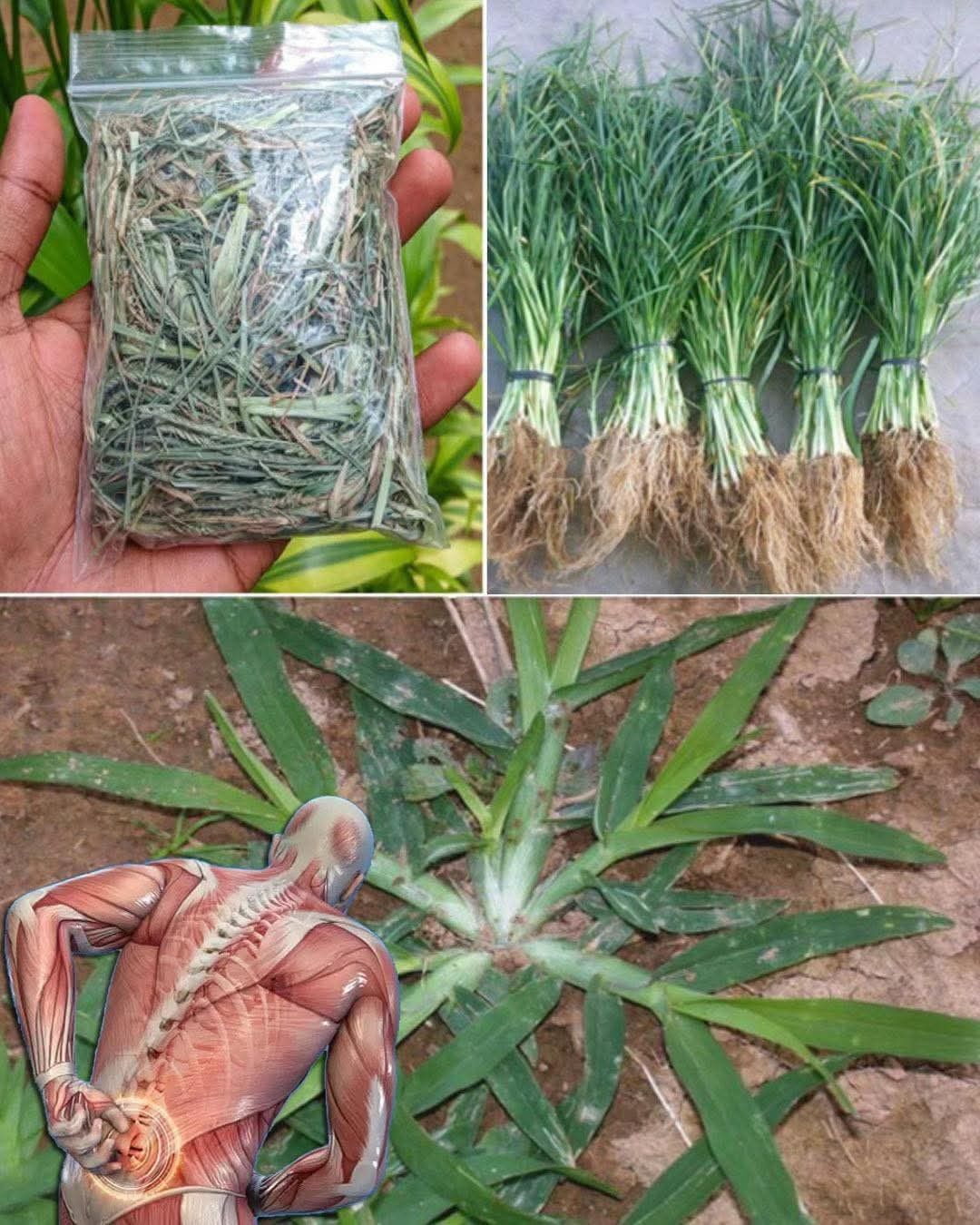
Herbal Remedies for Back Pain: Understanding Spinal Health, Inflammation, and Medical Realities
Introduction: The Search for Physical Comfort and Wellness
Maintaining long-term physical wellbeing, personal comfort, and mobility remains a top priority for individuals across all stages of life. Just as we carefully manage our financial stability through prudent investment, securing a manageable mortgage, or reviewing our general household finance strategy, taking care of our physical health requires informed and deliberate choices. Musculoskeletal health forms an essential component of personal wellness, and finding safe, effective ways to address common concerns like chronic back pain is a top priority for millions worldwide.
Across modern digital platforms, viral health hacks and homemade herbal remedies have gained immense popularity. Graphic visual comparisons showcasing dramatic transformations—such as using specific wild grasses or herbal preparations to instantly cure severe lower back pain and spinal discomfort—frequently capture public curiosity. While natural plants offer rich antioxidant and anti-inflammatory properties, separating online viral claims from clinical medical facts is crucial to protect your health and achieve safe, lasting results.
This comprehensive guide explores the biology of back pain and spinal mechanics, evaluates the actual effects of herbal treatments on inflammation, examines professional medical solutions, and offers actionable strategies for maintaining a healthy spine.
Understanding Back Pain and Spinal Mechanics
To evaluate whether home remedies can cure back pain, it is essential to understand how the spine functions and what causes discomfort in the back muscles and joints.
The Biological Basis of Spinal Pain
-
Spinal Anatomy: The human spine consists of vertebrae, discs filled with a gel-like substance that act as shock absorbers, ligaments, and a complex network of muscles and nerves that support the entire upper body.
-
Causes of Back Pain: Back pain can stem from various sources, including muscular strains, herniated discs, spinal stenosis, joint arthritis, poor posture, or nerve compression (such as sciatica).
-
Acute vs. Chronic Conditions: While many muscular strains heal naturally with rest and conservative care, structural spinal issues often require professional medical diagnosis and targeted physical therapy.
Managing personal health decisions with evidence-based facts is just as vital as consulting a qualified attorney or reviewing your health insurance policies when making major financial or legal choices. Understanding physiological science prevents unrealistic expectations and protects your health from potential risks associated with ignoring serious spinal symptoms.
Evaluating Herbal Treatments in Natural Remedies
Traditional herbal medicine often utilizes various wild plants and grasses for their purported healing properties. Evaluating their physiological interaction with the human body helps contextualize their actual benefits and limitations.
| Remedy Type | Key Active Compounds | Primary Biological Properties |
| Wild Herbal Extracts | Polyphenols, Flavonoids, Tannins |
Mild antioxidant support, general anti-inflammatory action |
The Role and Benefits of Herbal Support
-
Antioxidant and Anti-inflammatory Action: Many natural plants contain botanical compounds that help neutralize free radicals and support general cellular health.
-
Traditional Uses: In various cultural traditions, herbal poultices or teas are used as traditional comfort measures for minor aches and muscle stiffness.
The Risks and Limitations of DIY Back Pain Cures
-
Inability to Fix Structural Issues: Drinking herbal teas or applying plant extracts cannot repair herniated discs, realign vertebrae, or decompress pinched nerves inside the spine.
-
Symptom Masking: Relying on unverified home remedies without a proper medical evaluation can mask symptoms of serious underlying conditions, potentially delaying necessary medical care.
-
Lack of Standardization: Unregulated herbal preparations lack clinical dosage standardization, which can lead to unpredictable results or unintended side effects.
Evaluating health trends with healthy skepticism safeguards both your physical wellbeing and your financial resources, ensuring you invest wisely in treatments supported by scientific evidence.
Clinical Options for Managing Back Pain
For individuals experiencing persistent or severe back pain, professional medical evaluations performed by certified orthopedic specialists, physical therapists, or neurologists yield the most consistent and safe outcomes.
Evidence-Based Medical Treatments
-
Physical Therapy: Targeted exercise regimens designed by professionals strengthen core stabilizing muscles, improve posture, and relieve pressure on the spine.
-
Medication Management: Under medical supervision, physicians may recommend anti-inflammatory medications or muscle relaxants to manage acute pain flare-ups.
-
Advanced Interventions: For severe structural conditions, medical specialists offer targeted treatments such as epidural steroid injections or minimally invasive surgical options.
-
Comprehensive Diagnostics: Advanced imaging (such as MRIs or X-rays) allows healthcare providers to pinpoint the exact structural cause of back pain.
Before committing to treatments, carefully review your personal budget and healthcare coverage. Seeking professional medical guidance ensures that chosen therapies align safely with your specific health history.
Practical Tips for Supporting Spinal Health and Mobility
Promoting a strong spine, preventing muscle strains, and supporting overall physical wellness requires a holistic, daily approach combining movement, ergonomics, and proper care.
Step-by-Step Daily Best Practices
-
Maintain Good Posture: Keep your spine properly aligned whether sitting at a desk or standing, and use ergonomic support to reduce lower back strain.
-
Engage in Core Strengthening: Regularly perform low-impact core and back exercises to build muscular support around the spinal column.
-
Lift with Proper Mechanics: Always bend at your knees and hips—never at your waist—when lifting heavy objects to protect your spinal discs.
-
Stay Active: Avoid prolonged periods of inactivity, as gentle walking and regular movement nourish spinal tissues and prevent stiffness.
-
Prioritize Quality Sleep: Use a supportive mattress and pillows that maintain natural spinal alignment throughout the night.
Adopting structured, cautious habits in self-care reflects the same discipline required in modern business, academic education, or deploying modern technology systems—consistency and informed planning always yield the best long-term results.
Fascinating Facts About the Human Spine
-
Vertebral Count: The human spine is composed of 33 individual vertebrae during infancy, which later fuse into 24 distinct articulating bones in adulthood.
-
Height Fluctuation: You are actually slightly taller in the morning than you are at night because gravity compresses the spinal discs throughout the day.
-
Incredible Flexibility: The spine’s unique S-curve design acts as a natural shock absorber, distributing body weight evenly across the skeletal system.
-
Botanical Heritage: Humans have explored the natural environment for herbal remedies for thousands of years, laying the groundwork for modern pharmaceutical discoveries.
Conclusion: Balancing Natural Care with Evidence-Based Choices
Exploring natural home remedies offers an enjoyable way to engage in relaxing self-care and appreciate traditional botanical practices. However, understanding that severe back pain and spinal issues require professional medical evaluation, physical therapy, or targeted clinical treatments prevents disappointment and keeps your health safe. Just as building a solid retirement plan or managing long-term loan obligations requires patience and sound advice, maintaining a healthy spine is a lifelong journey built on daily care and expert guidance.
FAQ Section
Q: Can herbal remedies cure chronic back pain and spinal problems?
A: No. While certain herbs offer mild anti-inflammatory properties, plant remedies cannot cure structural spinal issues such as herniated discs, nerve compression, or severe arthritis.
Q: What is the most common cause of lower back pain?
A: Lower back pain is most commonly caused by muscular strains, ligament sprains, poor posture, or improper lifting techniques.
Q: When should I seek emergency medical care for back pain?
A: You should seek immediate medical attention if back pain is accompanied by loss of bowel or bladder control, progressive leg weakness, numbness, or fever.
Q: Does regular exercise help prevent back pain?
A: Yes. Strengthening core and back muscles through regular, low-impact exercise provides vital structural support to the spine.
Q: Should I consult a doctor before starting a new herbal supplement regimen?
A: Yes. Consulting a healthcare professional ensures that herbal supplements do not interact negatively with prescription medications or underlying health conditions.
