
Parsley Tea for Swelling: Understanding Edema, Fluid Retention, and Medical Realities
Introduction: The Search for Fluid Balance and Physical Wellness
Maintaining proper fluid balance, healthy circulation, and overall physical wellbeing remains a top priority for individuals across all stages of life. Just as we carefully manage our financial stability through prudent investment, securing a manageable mortgage, or reviewing our general household finance strategy, taking care of our physical health requires informed and deliberate choices. Vascular and renal health forms an essential component of personal wellness, and finding safe, effective ways to address common concerns like foot and leg swelling is a top priority for millions worldwide.
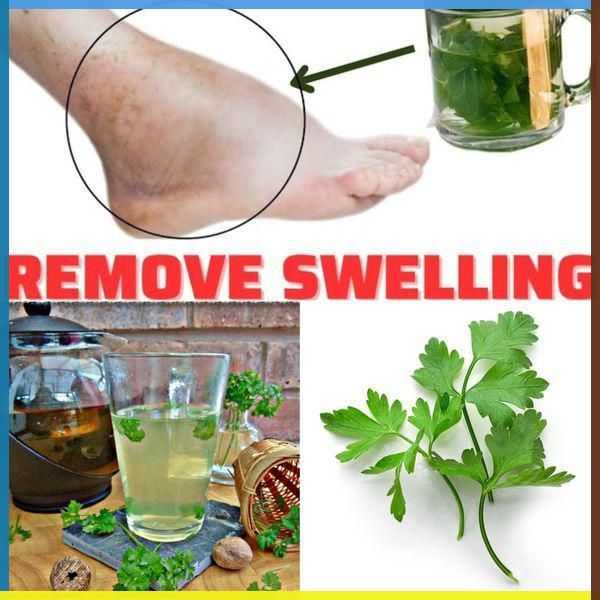
Across modern digital platforms, viral health hacks and homemade beverage remedies have gained immense popularity. Graphic visual comparisons showcasing dramatic transformations—such as brewing fresh parsley into a tea to instantly eliminate severe edema, swelling, and fluid buildup in the lower limbs—frequently capture public curiosity. While leafy herbs offer traditional botanical properties and mild diuretic effects, separating online viral claims from clinical medical facts is crucial to protect your health and achieve safe, lasting results.
This comprehensive guide explores the biology of fluid retention and edema, evaluates the actual effects of parsley tea on renal and circulatory function, examines professional medical solutions, and offers actionable strategies for maintaining healthy circulation.
Understanding Swelling and Edema Mechanics
To evaluate whether drinking parsley tea can cure or remove swelling, it is essential to understand how fluid balance is regulated in the human body and what causes fluid to accumulate in the legs and feet.
The Biological Basis of Edema
-
Fluid Balance and Circulation: The cardiovascular and lymphatic systems work together to circulate fluids throughout the body, while blood vessels and capillary pressure manage fluid exchange in tissues.
-
Causes of Edema: Swelling (edema) in the lower extremities can stem from multiple underlying medical factors, including venous insufficiency, heart conditions, kidney disease, liver dysfunction, or prolonged standing.
-
Underlying Pathology: Fluid retention is a symptom rather than a standalone disease, signaling that the body’s filtration or circulatory systems require professional medical evaluation.
Managing personal health decisions with evidence-based facts is just as vital as consulting a qualified attorney or reviewing your health insurance policies when making major financial or legal choices. Understanding physiological science prevents unrealistic expectations and protects your health from potential risks associated with ignoring serious medical symptoms.
Evaluating Parsley in Natural Remedies
Parsley (Petroselinum crispum) is widely recognized in culinary traditions and has a long history in herbal practices as a traditional diuretic. Evaluating its physiological interaction with the human body helps contextualize its actual benefits and limitations.
| Natural Herb | Key Active Compounds | Primary Biological Properties |
| Fresh Parsley | Apigenin, Luteolin, Vitamin C, Volatile Oils |
Antioxidant support, mild natural diuretic properties |
The Role and Benefits of Herbal Diuretics
-
Mild Diuretic Action: Parsley contains specific plant compounds that can encourage mild increases in urine output, helping the body expel minor excess water.
-
Nutritional Support: Parsley leaves provide valuable vitamins (such as Vitamin C and K) and antioxidants that support overall dietary wellness.
The Risks and Limitations of DIY Swelling Cures
-
Inability to Treat Underlying Causes: Drinking parsley tea cannot cure serious systemic causes of edema, such as congestive heart failure, chronic kidney disease, or deep vein thrombosis.
-
Electrolyte Imbalances: Consuming concentrated herbal diuretics without medical supervision can alter body hydration and electrolyte balance.
-
Potential Medication Interactions: Parsley is rich in Vitamin K, which can interfere with anticoagulant (blood-thinning) medications, posing risks for patients managing cardiovascular conditions.
Evaluating health trends with healthy skepticism safeguards both your physical wellbeing and your financial resources, ensuring you invest wisely in treatments supported by scientific evidence.
Clinical Options for Managing Swelling and Edema
For individuals experiencing persistent foot and leg swelling, professional medical evaluations performed by certified physicians, cardiologists, or nephrologists yield the most consistent and safe outcomes.
Evidence-Based Medical Treatments
-
Diagnostic Testing: Blood tests, urine analysis, and vascular imaging allow doctors to identify the exact root cause of fluid retention.
-
Prescription Diuretics: When clinically necessary, physicians prescribe regulated diuretic medications (water pills) to safely manage fluid overload under strict medical supervision.
-
Compression Therapy: Medical-grade compression stockings help improve venous return and reduce swelling in the lower legs for individuals with venous insufficiency.
-
Lifestyle and Dietary Guidance: Working with healthcare professionals to manage salt intake, maintain healthy blood pressure, and optimize cardiovascular health.
Before committing to treatments, carefully review your personal budget and healthcare coverage. Seeking professional medical guidance ensures that chosen therapies align safely with your specific health history.
Practical Tips for Supporting Circulation and Fluid Balance
Promoting healthy circulation, preventing fluid buildup, and supporting overall physical wellness requires a holistic, daily approach combining movement, nutrition, and proper care.
Step-by-Step Daily Best Practices
-
Reduce Dietary Sodium: Limit processed foods and high-sodium meals, as excess salt intake is a primary driver of fluid retention in the body.
-
Engage in Regular Movement: Take frequent walks and perform gentle leg exercises to activate calf muscles and pump blood and fluid back toward the heart.
-
Elevate Your Legs: Rest with your legs elevated above heart level periodically throughout the day to reduce gravitational fluid pooling in the ankles.
-
Stay Consistently Hydrated: Drink adequate amounts of plain water daily to support normal kidney function and metabolic balance.
-
Avoid Prolonged Inactivity: Avoid sitting or standing in one position for extended periods without taking short movement breaks.
Adopting structured, cautious habits in self-care reflects the same discipline required in modern business, academic education, or deploying modern technology systems—consistency and informed planning always yield the best long-term results.
Fascinating Facts About Human Circulation and Fluid Balance
-
Vascular Length: The human body contains an intricate network of blood vessels measuring approximately 60,000 miles in total length.
-
Daily Filtration: Kidneys process and filter roughly 150 quarts of blood every single day to maintain fluid and electrolyte equilibrium.
-
Herbal Heritage: Parsley has been cultivated and utilized across Mediterranean and European culinary traditions for over two millennia.
-
Gravitational Impact: Gravity constantly pulls body fluids downward toward the lower limbs, requiring active muscle contractions and healthy vein valves to maintain proper return flow.
Conclusion: Balancing Natural Care with Evidence-Based Choices
Exploring culinary herbs and enjoying fresh parsley tea offers an enjoyable way to incorporate flavorful botanicals into a healthy diet. However, understanding that persistent swelling and edema require professional medical evaluation, accurate diagnosis, and clinical treatment prevents disappointment and keeps your health safe. Just as building a solid retirement plan or managing long-term loan obligations requires patience and sound advice, maintaining healthy circulation is a lifelong journey built on daily care and expert guidance.
FAQ Section
Q: Can drinking parsley tea remove swelling and fluid retention from my feet and legs?
A: No. While parsley possesses mild natural diuretic properties, drinking herbal tea cannot cure or resolve the underlying medical causes of severe edema or fluid retention.
Q: What are the most common medical causes of lower leg swelling?
A: Common causes include venous insufficiency, heart failure, kidney disease, liver problems, prolonged standing, and certain prescription medications.
Q: Is parsley tea safe for everyone to consume?
A: Not always. Parsley is high in Vitamin K, which can interfere with blood-thinning medications, and concentrated amounts should be avoided by individuals with certain medical conditions without consulting a doctor.
Q: How can I safely reduce minor foot and ankle swelling at home?
A: Minor swelling can often be eased by reducing dietary salt, elevating your legs above your heart, staying hydrated, and engaging in light walking.
Q: Should I consult a doctor if I experience persistent swelling in my legs?
A: Yes. Persistent or sudden swelling in the legs or feet requires professional medical evaluation to rule out serious underlying cardiovascular or renal conditions.
