
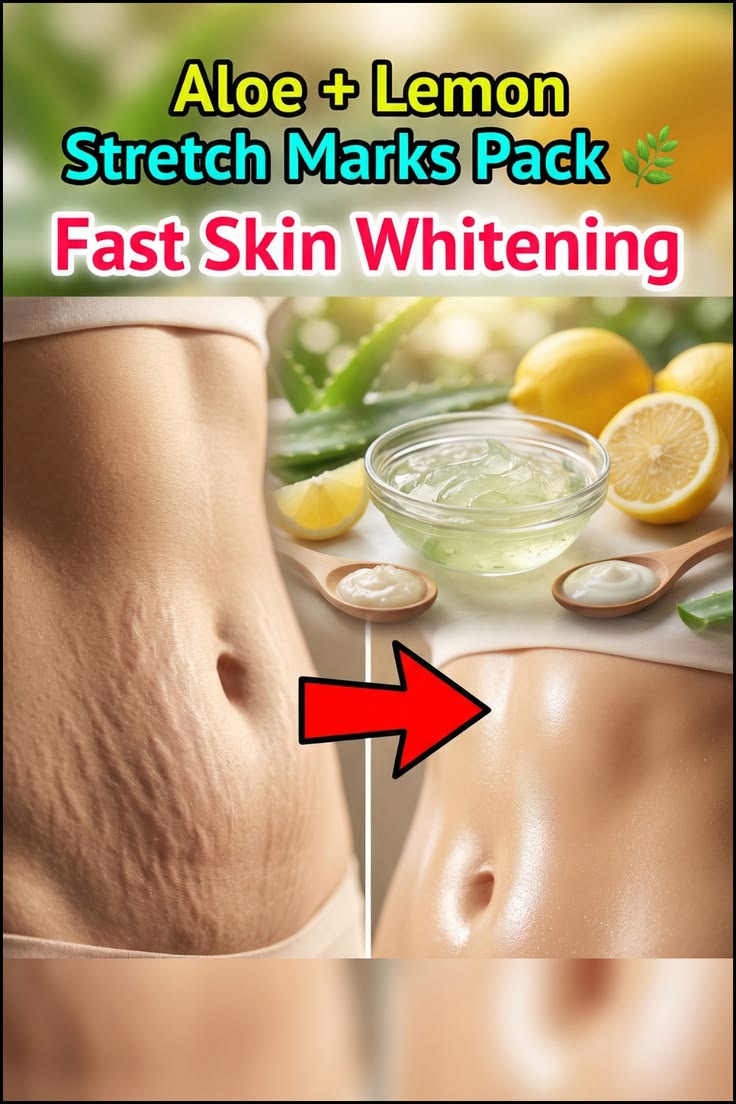
Aloe and Lemon for Stretch Marks: Understanding Natural Skincare, Brightening Packs, and Dermatological Truths
Introduction: The Search for Radiant, Healthy Skin
Maintaining vibrant skin, personal confidence, and overall physical wellbeing remains a top priority for individuals across all stages of life. Just as we secure our future through prudent financial planning, evaluating a long-term mortgage, or managing a family investment portfolio, taking proactive care of our physical health requires deliberate attention and thoughtful choices. Skin care forms a major part of daily wellness, and finding safe, effective methods to address cosmetic concerns like stretch marks or hyperpigmentation is a common goal for millions worldwide.
In modern digital spaces, viral beauty hacks and homemade remedy recipes gain massive traction. Eye-catching visual graphics—such as comparisons showcasing an “Aloe + Lemon Stretch Marks Pack” promising fast transformation—frequently spark public curiosity. While natural plant extracts like aloe vera offer genuine hydrating and soothing benefits, separating online viral claims from clinical dermatological facts is essential to protect your skin barrier and achieve safe results.
This comprehensive guide explores the biology of stretch marks, evaluates the actual science behind combining aloe vera and lemon juice, examines professional skin treatments, and offers actionable strategies for maintaining smooth, healthy skin.
Understanding Stretch Marks and Dermal Mechanics
To evaluate whether home remedies can fade or erase stretch marks, it is essential to understand what happens beneath the outer layer of the skin. Known medically as striae, stretch marks are a form of deep dermal scarring resulting from rapid expansion or contraction of body tissue.
How Stretch Marks Develop
-
Dermal Tearing: The skin consists of three primary layers: the epidermis, dermis, and hypodermis. When rapid growth occurs during pregnancy, puberty, weight shifts, or muscle building, the elastic fibers and collagen within the middle layer (dermis) stretch beyond their limits and tear.
-
Color Changes: Newly formed marks (striae rubrae) appear reddish or purplish because underlying blood vessels remain visible through the damaged dermis.
-
Maturation and Scar Formation: Over time, blood vessels contract, and the marks mature into striae albae, taking on a pale, silvery-white appearance as collagen realigns into permanent scar tissue.
Managing health decisions with evidence-based facts is just as crucial as consulting a qualified attorney or reviewing your health insurance policies when making major life decisions. Understanding skin anatomy prevents unrealistic expectations and protects your skin from potential irritation caused by unverified DIY ingredients.
Evaluating Aloe Vera and Lemon Juice in DIY Skincare
Home packs blending aloe vera gel with fresh lemon juice are frequently praised online for their accessibility. While these ingredients possess notable active properties, understanding their interaction with human skin helps prevent accidental harm.
+-------------------+-----------------------------------------+------------------------------------------+
| Ingredient        | Active Compounds                        | Key Skincare Properties                  |
+-------------------+-----------------------------------------+------------------------------------------+
| Pure Aloe Vera    | Polysaccharides, Acemannan, Vitamins   | Deep hydration, cooling, inflammation relief|
| Fresh Lemon Juice | Citric Acid (AHA), Vitamin C (Ascorbic) | Exfoliation, skin brightening, astringent|
+-------------------+-----------------------------------------+------------------------------------------+
The Benefits and Safety of Aloe Vera
-
Deep Hydration: Aloe vera is composed mostly of water and rich polysaccharides that act as natural humectants, binding moisture to the epidermis and soothing surface redness.
-
Wound Healing Support: Compounds like acemannan stimulate fibroblast activity, supporting natural skin regeneration and soothing minor skin irritation.
The Risks of Raw Lemon Juice
-
Acidity and Irritation: Fresh lemon juice is highly acidic (pH around 2), which can disrupt the skin’s natural moisture barrier, leading to dryness, burning, or contact dermatitis.
-
Phytophotodermatitis: Citric fruits contain furocoumarins. Applying raw lemon juice to the skin and exposing it to sunlight can cause severe chemical burns, blistering, and dark hyperpigmentation.
-
Limited Dermal Penetration: While natural citric acid offers mild epidermal exfoliation, it cannot penetrate deeply enough into the dermal layer to reconstruct broken collagen bundles.
Evaluating beauty trends with critical thinking safeguards both your health and financial wellbeing, ensuring you invest in routines supported by scientific evidence.
Clinical Treatments for Stretch Mark Reduction
For individuals seeking visible reduction in the texture and appearance of mature stretch marks, consulting a board-certified dermatologist offers access to proven medical procedures.
Evidence-Based Dermatological Approaches
-
Prescription Topical Retinoids: Formulations containing tretinoin encourage rapid cell turnover and stimulate new collagen synthesis, proving particularly helpful on early reddish stretch marks.
-
Microneedling Therapies: Using fine needles to create microscopic punctures in the skin triggers the body’s natural healing response, generating fresh elastin and collagen.
-
Fractional Laser Therapy: Advanced laser treatments target either vascular redness or structural scar tissue, smoothing texture and helping blend discoloration with surrounding skin.
-
Chemical Peels: Professional-grade alpha-hydroxy and beta-hydroxy peels exfoliate dead skin cells in a controlled environment, improving overall surface tone.
Before scheduling clinical procedures, review your budget and healthcare coverage. Seeking professional medical guidance ensures chosen therapies align safely with your skin type and health profile.
Practical Steps for Building a Resilient Skincare Routine
Promoting skin elasticity and overall dermal strength requires a consistent, gentle approach combining hydration, proper nutrition, and barrier protection.
Daily Best Practices
-
Maintain High Moisture Levels: Apply rich body creams or ointments containing hyaluronic acid, ceramides, or shea butter immediately after bathing to lock in moisture.
-
Prioritize Sun Protection: Apply broad-spectrum sunscreen to exposed skin daily. UV radiation degrades collagen and can accentuate the contrast between stretch marks and surrounding skin.
-
Perform Patch Tests: Always test DIY mixtures on a small patch of skin (such as your inner arm) and wait 24 to 48 hours before applying them to larger areas.
-
Support Collagen From Within: Consume a balanced diet rich in Vitamin C, Vitamin E, zinc, and healthy fats to supply essential building blocks for natural skin repair.
-
Avoid Direct Sun Exposure with Citrus: If using recipes containing lemon or citrus extracts, wash the area thoroughly and avoid direct sun exposure to prevent skin discoloration.
Adopting structured, cautious habits in self-care reflects the discipline needed in modern business, academic education, or deploying modern technology systems—consistency and safety always deliver superior long-term results.
Fascinating Facts About Skin Health and Regeneration
-
Natural Barrier: The skin’s stratum corneum acts as a primary defense shield, regulating moisture loss and blocking environmental toxins.
-
Self-Renewal Cycle: Human skin constantly regenerates itself, shedding millions of dead skin cells daily and renewing the outer layer roughly every month.
-
Genetic Influence: Individual skin elasticity and susceptibility to stretch marks are heavily dictated by genetics and hormone levels rather than weight alone.
-
Aloe Vera Heritage: Aloe vera has been cultivated for over 2,000 years, documented across historical medical texts for its soothing and moisturizing properties.
Conclusion: Balancing Natural Self-Care with Evidence-Based Choices
Exploring natural home remedies offers a relaxing way to practice self-care and keep your skin hydrated. However, understanding that deep structural scars like stretch marks require gentle daily moisture, sun protection, or targeted clinical treatments prevents disappointment and keeps your skin safe. Just as securing a stable retirement plan or managing long-term loan obligations requires patience and reliable advice, maintaining smooth, healthy skin relies on consistent care, healthy habits, and expert guidance.
FAQ Section
Q: Can a mixture of aloe vera and lemon juice completely erase stretch marks?
A: No. While aloe vera provides excellent surface hydration and lemon juice offers mild surface exfoliation, neither ingredient can repair torn collagen fibers deep within the dermal layer.
Q: Is it safe to apply fresh lemon juice directly to the skin?
A: Applying raw lemon juice directly to the skin carries risks of acid burns, dryness, and phytophotodermatitis (severe sun sensitivity and dark spotting). Always dilute citrus juice or perform a patch test first.
Q: What is the most effective time to treat stretch marks?
A: Stretch marks respond best to treatments when they are new and reddish (striae rubrae), as active vascularization makes collagen stimulation procedures more successful.
Q: Does aloe vera help with overall skin health?
A: Yes. Aloe vera is a safe, gentle humectant that soothes surface irritation, hydrates the epidermis, and supports natural barrier function.
Q: Should I consult a doctor before trying intensive DIY remedies or laser treatments?
A: Yes. Consulting a board-certified dermatologist ensures you receive accurate advice tailored to your specific skin type, preventing accidental scarring or chemical irritation.
