
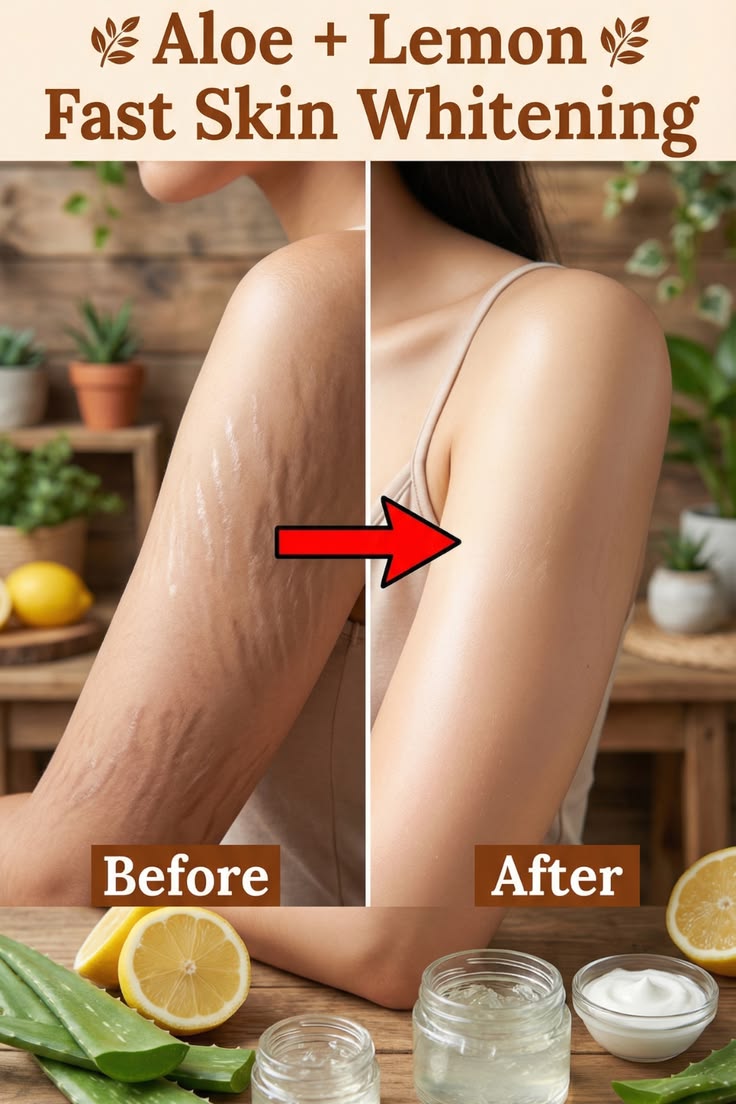
Aloe and Lemon for Skin Brightening: Understanding Natural Remedies, Hyperpigmentation, and Dermatological Realities
Introduction: The Search for Radiant and Healthy Skin
Maintaining smooth, radiant skin, personal confidence, and overall physical wellbeing remains a central goal for individuals in every stage of life. Just as we carefully safeguard our financial stability through prudent long-term investment, securing a manageable mortgage, or managing our general household finance strategy, taking care of our physical health requires informed and deliberate choices. Skincare forms an essential component of personal wellness, and finding safe, effective ways to address common skin concerns like hyperpigmentation, uneven skin tone, and stretch marks is a top priority for millions worldwide.
Across modern digital spaces, viral beauty hacks and homemade remedies have gained immense popularity. Graphic visual comparisons showcasing dramatic transformations—such as applying a mixture of aloe vera gel and fresh lemon juice to achieve fast skin brightening or instant scar removal—frequently capture public curiosity. While natural plant extracts like aloe vera offer genuine moisturizing and soothing properties, separating online viral trends from clinical dermatological facts is crucial to protect your skin barrier and achieve safe, lasting results.
This comprehensive guide explores the science of skin pigmentation, evaluates the actual effects of blending aloe vera and lemon juice, examines professional dermatological treatments, and offers actionable strategies for maintaining healthy, luminous skin.
Understanding Skin Pigmentation and Dermal Mechanics
To evaluate whether home remedies can brighten skin or fade uneven spots, it is essential to understand how melanin functions and what causes skin discoloration beneath the surface.
The Biological Basis of Skin Tone and Discoloration
-
Melanin Production: Skin color is determined by melanin, a biological pigment produced by specialized cells called melanocytes located in the basal layer of the epidermis. Factors such as sun exposure, hormonal shifts, inflammation, and skin injury trigger melanocytes to produce excess melanin, leading to hyperpigmentation or dark spots.
-
Epidermal vs. Dermal Pigmentation: Surface discoloration (such as sun spots or post-inflammatory hyperpigmentation) resides primarily in the outer skin layer (epidermis). In contrast, deep structural marks, such as stretch marks or deep dermal scars, involve torn collagen fibers within the deeper middle layer (dermis).
-
Natural Renewal Cycle: The outer layer of human skin naturally sheds dead skin cells and replaces them roughly every 28 to 40 days, bringing fresh, new skin cells to the surface.
Managing personal health decisions with evidence-based facts is just as vital as consulting a qualified attorney or reviewing your health insurance policies when navigating major financial or legal choices. Understanding skin anatomy prevents unrealistic expectations and protects your delicate skin barrier from potential chemical damage.
Evaluating Aloe Vera and Lemon Juice in DIY Skincare
Home packs combining fresh aloe vera gel with raw lemon juice are frequently praised online for their affordability and accessibility. While both ingredients possess distinct active compounds, evaluating their physiological interaction with human skin helps prevent accidental irritation or harm.
| Ingredient | Active Compounds | Primary Skincare Properties |
| Pure Aloe Vera | Polysaccharides, Acemannan, Vitamins A, C, & E | Deep hydration, soothing, barrier repair support |
| Fresh Lemon Juice | Citric Acid (AHA), Vitamin C (L-Ascorbic Acid) | Surface exfoliation, astringent, brightener |
The Role and Safety of Aloe Vera
-
Deep Moisture Retention: Aloe vera consists primarily of water and rich polysaccharides that act as natural humectants, binding moisture directly to the outer skin layer and keeping it hydrated.
-
Anti-Inflammatory Properties: Compounds like acemannan soothe redness, calm skin irritation, and support natural surface healing without disrupting the skin’s natural pH balance.
The Risks of Raw Lemon Juice
-
High Acidity: Fresh lemon juice has an extremely low pH (around 2), making it highly acidic. Applying raw lemon juice directly to the skin can strip natural oils, disrupt the moisture barrier, and cause severe dryness, burning, or contact dermatitis.
-
Phytophotodermatitis: Citrus fruits contain chemical compounds known as furocoumarins. Applying raw lemon juice to the skin and exposing it to natural sunlight can trigger a severe photochemical reaction resulting in blistering, chemical burns, and severe long-term hyperpigmentation.
-
Inconsistent Concentrations: Unlike formulated cosmetic products containing stabilized Vitamin C or mild citric acid, raw lemon juice concentration varies greatly and lacks the stability required for safe topical application.
Evaluating beauty trends with healthy skepticism safeguards both your health and financial wellbeing, ensuring you invest wisely in routines supported by scientific evidence.
Clinical Options for Skin Brightening and Tone Correction
For individuals seeking visible reduction in hyperpigmentation, dark spots, or mature stretch marks, professional medical treatments performed by certified dermatologists yield the most consistent and safe outcomes.
Evidence-Based Dermatological Treatments
-
Prescription Topical Retinoids: Formulations containing tretinoin or adapalene accelerate cell turnover, helping fade surface hyperpigmentation and encouraging new collagen production over time.
-
Stabilized Vitamin C Serums: Clinically formulated L-ascorbic acid serums deliver a controlled dose of antioxidants that inhibit tyrosinase (the enzyme responsible for melanin production) without damaging the skin barrier.
-
Chemical Peels: Professional-grade alpha-hydroxy (AHA) and beta-hydroxy (BHA) peels exfoliate dead, pigmented skin cells in a controlled, sterile environment to improve overall tone.
-
Laser and Light Therapies: Advanced treatments such as Intense Pulsed Light (IPL) or fractional lasers target excess melanin clusters or vascular redness, blending skin tone effectively.
Before committing to clinical procedures, carefully review your personal budget and healthcare coverage. Seeking professional guidance ensures that chosen therapies align safely with your specific skin type and health profile.
Practical Tips for Building a Safe Skincare Routine
Promoting even skin tone, elasticity, and overall dermal strength requires a holistic, daily approach combining moisture, nutrition, and sun protection.
Step-by-Step Daily Best Practices
-
Prioritize Broad-Spectrum Sunscreen: UV radiation is the leading cause of hyperpigmentation and premature skin aging. Apply a broad-spectrum sunscreen with SPF 30 or higher daily, regardless of the weather.
-
Maintain Consistent Hydration: Apply rich emollients containing ceramides, hyaluronic acid, or pure aloe vera gel daily to reinforce the skin barrier and prevent water loss.
-
Perform Patch Tests: Always test DIY mixtures or new cosmetic products on a small patch of skin (such as your inner forearm) and wait 24 to 48 hours to check for adverse reactions before applying them broadly.
-
Fuel Collagen Production From Within: Eat a nutrient-dense diet rich in Vitamin C, Vitamin E, zinc, and antioxidants to provide your body with the essential building blocks for natural skin repair.
-
Avoid Aggressive Scrubbing: Refrain from harsh physical scrubs, which can create micro-tears in the skin and lead to post-inflammatory hyperpigmentation.
Adopting structured, cautious habits in self-care reflects the same discipline required in modern business, academic education, or deploying modern technology systems—consistency and informed planning always yield the best long-term results.
Fascinating Facts About Human Skin and Pigmentation
-
Melanin Protection: Melanin acts as a natural biological filter, absorbing harmful ultraviolet rays and protecting cellular DNA from sun damage.
-
Skin Barrier Thickness: The outer protective layer of the skin (stratum corneum) is only about 10 to 20 micrometers thick, yet it acts as the body’s primary shield against environmental toxins.
-
Aloe Vera’s Rich History: Aloe vera has been utilized across historical cultures for over 2,000 years, frequently referred to in ancient Egyptian texts as the “plant of immortality.”
-
pH Balance: Healthy human skin is naturally slightly acidic (pH 4.5 to 5.5), an environment known as the acid mantle that protects against harmful bacterial growth.
Conclusion: Balancing Natural Care with Evidence-Based Choices
Exploring natural home remedies offers a enjoyable way to engage in relaxing self-care and embrace beneficial ingredients like aloe vera for general skin hydration. However, understanding that deep skin discoloration or structural marks require gentle daily moisture, broad-spectrum sun protection, or targeted clinical treatments prevents disappointment and keeps your skin safe. Just as building a solid retirement plan or managing long-term loan obligations requires patience and sound advice, maintaining healthy, radiant skin is a lifelong journey built on daily care and realistic habits.
FAQ Section
Q: Can a mixture of aloe vera and lemon juice permanently whiten or brighten skin?
A: No. While aloe vera offers deep hydration and lemon juice contains natural citric acid, raw DIY mixtures cannot permanently change your natural skin tone or instantly erase deep structural scarring.
Q: Is it safe to leave lemon juice on the skin overnight?
A: Leaving raw lemon juice on the skin is not recommended. Its high acidity can cause irritation, chemical burns, extreme dryness, and increased sensitivity to sunlight.
Q: What is the safest natural ingredient for soothing skin redness?
A: Pure aloe vera gel is widely recognized as one of the safest natural ingredients for soothing redness, hydrating the epidermis, and cooling minor surface irritation.
Q: Why does sun exposure make dark spots worse?
A: Sunlight triggers melanocytes to produce additional melanin as a defense mechanism, which darkens existing spots and creates new hyperpigmentation.
Q: Should I consult a dermatologist before trying intensive skin-brightening treatments?
A: Yes. Consulting a board-certified dermatologist ensures an accurate assessment of your skin type and helps you select safe, effective treatments tailored to your specific health history.
