
Herbal Teas for Artery Health: Understanding Circulation, Plaque Buildup, and Medical Realities
Introduction: The Search for Cardiovascular Wellness and Vitality
Maintaining optimal heart health, healthy circulation, and overall physical wellbeing remains a top priority for individuals across all stages of life. Just as we carefully manage our financial stability through prudent investment, securing a manageable mortgage, or reviewing our general household finance strategy, taking care of our physical health requires informed and deliberate choices. Cardiovascular health forms an essential component of personal wellness, and finding safe, effective ways to support clean arteries and proper blood flow is a top priority for millions worldwide.
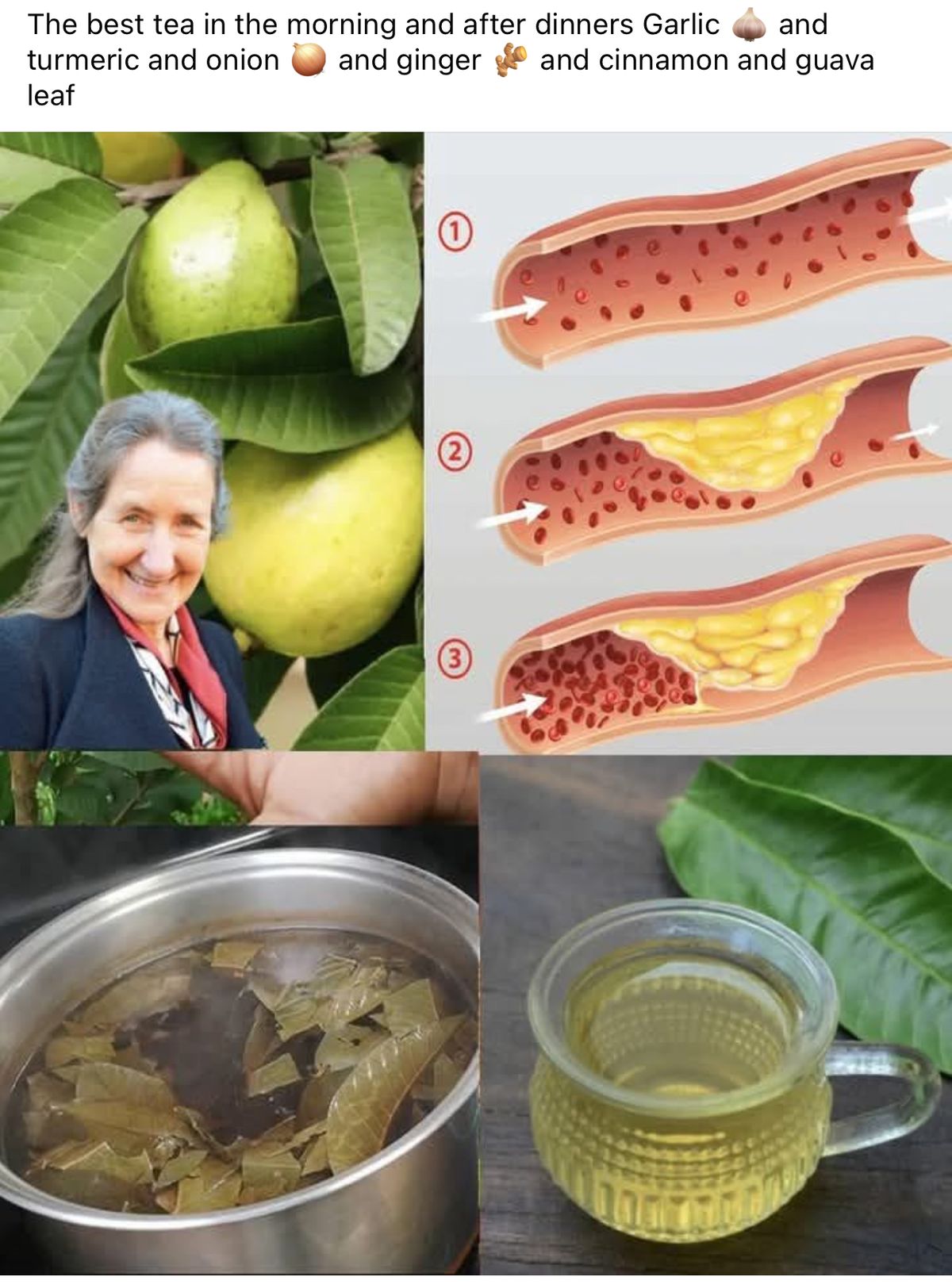
Across modern digital platforms, viral health hacks and homemade beverage remedies have gained immense popularity. Graphic visual comparisons showcasing dramatic transformations—such as brewing a complex herbal tea combining garlic, turmeric, onion, ginger, cinnamon, and guava leaves to instantly clear arterial plaque—frequently capture public curiosity. While natural kitchen ingredients offer rich antioxidant and anti-inflammatory properties, separating online viral claims from clinical cardiovascular facts is crucial to protect your health and achieve safe, lasting results.
This comprehensive guide explores the biology of arterial circulation and plaque buildup, evaluates the actual effects of herbal tea ingredients on cardiovascular health, examines professional medical treatments, and offers actionable strategies for maintaining a healthy heart.
Understanding Arterial Plaque and Cardiovascular Mechanics
To evaluate whether drinking homemade herbal teas can clear clogged arteries, it is essential to understand how blood vessels function and how cardiovascular disease develops over time.
The Biological Basis of Atherosclerosis
-
Arterial Structure and Blood Flow: Arteries are robust, flexible blood vessels that carry oxygen-rich blood away from the heart to every organ and tissue in the body. Healthy arteries feature smooth inner linings (endothelium) that allow blood to flow freely.
-
Plaque Formation (Atherosclerosis): Over time, damage to the endothelial lining caused by high blood pressure, smoking, high cholesterol, or inflammation allows low-density lipoprotein (LDL) cholesterol to accumulate within the artery wall. White blood cells engulf this cholesterol, forming fatty deposits known as plaque.
-
Progression and Restriction: As illustrated in medical diagrams, plaque buildup gradually narrows the arterial lumen, restricting blood flow and significantly increasing the risk of heart attacks and strokes.
Managing personal health decisions with evidence-based facts is just as vital as consulting a qualified attorney or reviewing your health insurance policies when making major financial or legal choices. Understanding cardiovascular anatomy prevents unrealistic expectations and protects your health from potential risks associated with ignoring serious medical conditions.
Evaluating Kitchen Ingredients in Herbal Teas
The featured herbal tea recipe combines several popular kitchen ingredients: garlic, turmeric, onion, ginger, cinnamon, and guava leaves. Each possesses distinct botanical properties, but evaluating their physiological interaction with established arterial plaque helps contextualize their actual benefits.
| Ingredient | Active Compounds | Primary Biological Properties |
| Garlic | Allicin, Sulfur Compounds | Supports healthy blood pressure, mild cholesterol modulation |
| Turmeric | Curcumin | Potent antioxidant and anti-inflammatory support |
| Ginger | Gingerol, Volatile Oils | Digestive comfort, mild circulatory support |
| Cinnamon | Cinnamaldehyde, Polyphenols | Blood sugar support, antioxidant properties |
The Role and Benefits of Whole Food Ingredients
-
Antioxidant Support: Spices like turmeric, cinnamon, and ginger contain powerful polyphenols that help neutralize free radicals and reduce systemic inflammation.
-
Supportive Cardiovascular Habits: Incorporating garlic and turmeric into a balanced diet can support overall metabolic health, blood vessel function, and general wellness.
The Risks and Limitations of DIY Artery-Cleansing Teas
-
Inability to Reverse Established Plaque: Once hard, calcified atherosclerotic plaque accumulates inside an artery wall, drinking herbal teas cannot chemically dissolve or wash it away.
-
Symptom Masking and Delayed Care: Relying on unverified home remedies to treat cardiovascular disease without professional medical supervision can delay essential diagnostic evaluations and life-saving treatments.
-
Interaction with Medications: Certain potent ingredients like garlic and ginger can act as mild blood thinners, which may pose risks if combined with prescription anticoagulant medications.
Evaluating health trends with healthy skepticism safeguards both your physical wellbeing and your financial resources, ensuring you invest wisely in treatments supported by scientific evidence.
Clinical Options for Managing Cardiovascular Health
For individuals concerned about arterial plaque, high cholesterol, or heart health, professional medical evaluations performed by certified cardiologists yield the most consistent and safe outcomes.
Evidence-Based Medical Treatments
-
Cholesterol-Lowering Medications: Under medical supervision, physicians may prescribe statins or other lipid-lowering drugs to effectively reduce LDL cholesterol and stabilize existing plaque.
-
Blood Pressure Management: Maintaining optimal blood pressure through prescription medications and lifestyle changes reduces mechanical stress on arterial walls.
-
Advanced Interventions: For severe arterial blockages, cardiovascular specialists utilize surgical procedures such as angioplasty, stenting, or bypass surgery to restore healthy blood flow.
-
Cardiovascular Screening: Routine blood tests, lipid panels, and imaging scans allow doctors to assess cardiovascular risk long before symptoms appear.
Before committing to treatments, carefully review your personal budget and healthcare coverage. Seeking professional medical guidance ensures that chosen therapies align safely with your specific health history.
Practical Tips for Supporting Heart Health and Circulation
Promoting healthy blood flow, protecting arterial function, and supporting overall cardiovascular wellness requires a holistic, daily approach combining nutrition, movement, and proper care.
Step-by-Step Daily Best Practices
-
Adopt a Heart-Healthy Diet: Focus on a balanced diet rich in fiber, whole grains, fresh vegetables, fruits, and healthy fats (such as olive oil and omega-3 fatty acids) while limiting processed sugars and saturated fats.
-
Engage in Regular Aerobic Exercise: Participate in consistent moderate physical activity, such as brisk walking, swimming, or cycling, to strengthen the heart muscle and improve vascular elasticity.
-
Maintain a Healthy Weight: Keeping a balanced body weight reduces strain on the cardiovascular system and supports healthy blood pressure levels.
-
Avoid Smoking: Refrain from smoking or using tobacco products, as tobacco smoke actively damages the endothelial lining of arteries and accelerates plaque formation.
-
Manage Stress Effectively: Practice mindfulness, meditation, or regular relaxation techniques to help keep chronic stress and cortisol levels in check.
Adopting structured, cautious habits in self-care reflects the same discipline required in modern business, academic education, or deploying modern technology systems—consistency and informed planning always yield the best long-term results.
Fascinating Facts About the Human Cardiovascular System
-
Vast Network: The human circulatory system consists of an astonishing network of blood vessels stretching over 60,000 miles if laid end-to-end.
-
Constant Pumping: The human heart beats approximately 100,000 times every single day, pumping roughly 2,000 gallons of blood through the body.
-
Endothelial Importance: The endothelium (the inner lining of blood vessels) covers a surface area of tennis-court proportions and plays a vital role in regulating blood clotting and vascular tone.
-
Spice Heritage: Spices like turmeric and cinnamon have been treasured for thousands of years across ancient culinary and traditional wellness practices for their aromatic and restorative qualities.
Conclusion: Balancing Natural Care with Evidence-Based Choices
Exploring natural home remedies and enjoying antioxidant-rich herbal teas offers an enjoyable way to practice relaxing daily self-care. However, understanding that severe cardiovascular conditions and arterial plaque require professional medical evaluation, lifestyle adjustments, or targeted clinical treatments prevents disappointment and keeps your health safe. Just as building a solid retirement plan or managing long-term loan obligations requires patience and sound advice, maintaining a healthy heart is a lifelong journey built on daily care and expert guidance.
FAQ Section
Q: Can drinking a garlic, turmeric, and ginger tea clear blocked arteries?
A: No. While these ingredients offer great antioxidant and anti-inflammatory properties, drinking herbal tea cannot chemically dissolve or remove established atherosclerotic plaque from artery walls.
Q: What is the primary cause of plaque buildup in arteries?
A: Plaque buildup is primarily caused by atherosclerosis, driven by factors such as high LDL cholesterol, high blood pressure, smoking, diabetes, poor diet, and chronic inflammation.
Q: Are kitchen spices like turmeric and garlic safe to consume daily?
A: Yes, incorporating these spices into your regular culinary meals is generally very safe and healthy, provided they are consumed as part of a balanced diet rather than as concentrated medical replacements.
Q: How can I check the health of my arteries?
A: Cardiovascular health can be assessed by a physician through comprehensive lipid panels, blood pressure monitoring, and specialized imaging tests such as a coronary calcium scan or ultrasound.
Q: Should I consult a doctor before starting a new herbal tea regimen?
A: Yes. Consulting a healthcare professional is essential, especially if you take prescription medications, to ensure that herbal supplements do not interact negatively with your treatment plan.
