
Ginger Tea and Brain Health: Understanding Circulation, Blood Clots, and Medical Realities
Introduction: The Search for Neurological Wellness and Vitality
Maintaining optimal cognitive function, healthy cerebral circulation, and overall physical wellbeing remains a top priority for individuals across all stages of life. Just as we carefully manage our financial stability through prudent investment, securing a manageable mortgage, or reviewing our general household finance strategy, taking care of our physical health requires informed and deliberate choices. Neurological health forms an essential component of personal wellness, and finding safe, effective ways to support proper blood flow to the brain is a top priority for millions worldwide.
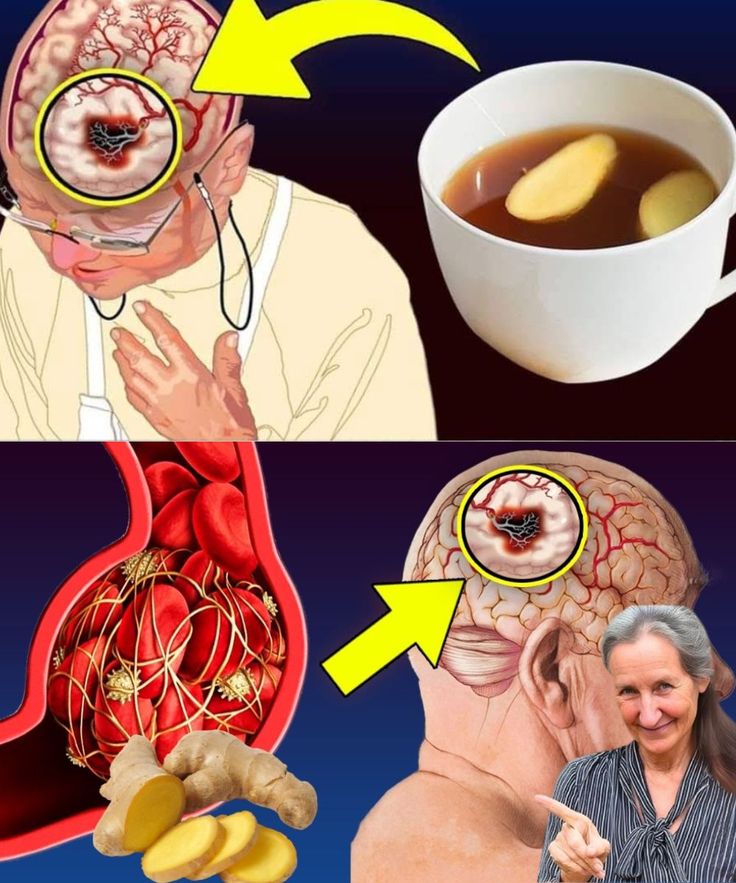
Across modern digital platforms, viral health hacks and homemade beverage remedies have gained immense popularity. Graphic visual comparisons showcasing dramatic transformations—such as brewing a simple ginger tea to dissolve cerebral blood clots or reverse brain-related vascular blockages—frequently capture public curiosity. While natural kitchen ingredients offer rich antioxidant and anti-inflammatory properties, separating online viral claims from clinical neurological facts is crucial to protect your health and achieve safe, lasting results.
This comprehensive guide explores the biology of cerebral circulation and blood clot formation, evaluates the actual effects of ginger and herbal teas on vascular health, examines professional medical treatments, and offers actionable strategies for maintaining a healthy brain and cardiovascular system.
Understanding Cerebral Blood Flow and Blood Clots
To evaluate whether drinking ginger tea can dissolve or clear blood clots in the brain, it is essential to understand how cerebral circulation works and how serious vascular events occur.
The Biological Basis of Stroke and Circulation
-
Cerebral Arterial Network: The brain requires a constant, uninterrupted supply of oxygen-rich blood delivered through a complex network of arteries. Healthy blood vessels ensure optimal cognitive function and neural activity.
-
Blood Clot Formation (Thrombosis and Embolism): A stroke occurs when blood flow to a part of the brain is blocked by a blood clot (ischemic stroke) or when a blood vessel bursts (hemorrhagic stroke). Clots can form locally within narrowed cerebral arteries or travel from other parts of the body, such as the heart.
-
Medical Emergency: Cerebrovascular events are life-threatening medical emergencies that require immediate hospital intervention, advanced imaging, and specialized emergency medications.
Managing personal health decisions with evidence-based facts is just as vital as consulting a qualified attorney or reviewing your health insurance policies when making major financial or legal choices. Understanding physiological science prevents unrealistic expectations and protects your health from potential risks associated with ignoring serious medical symptoms.
Evaluating Ginger in Natural Remedies
Ginger (Zingiber officinale) is widely celebrated in traditional culinary and herbal practices for its unique bioactive composition. Evaluating its physiological interaction with the human body helps contextualize its actual benefits and limitations.
| Natural Ingredient | Key Active Compounds | Primary Biological Properties |
| Ginger Root | Gingerol, Shogaol, Volatile Oils | Antioxidant support, mild anti-inflammatory action, mild antiplatelet properties |
The Role and Benefits of Ginger
-
Antioxidant and Anti-inflammatory Action: Ginger contains potent plant compounds like gingerol that help neutralize free radicals and reduce systemic inflammation.
-
Mild Circulatory Support: Research suggests that ginger possesses mild antiplatelet properties, meaning it can slightly discourage blood platelets from clumping together under certain laboratory conditions.
The Risks and Limitations of DIY Clot-Dissolving Cures
-
Inability to Treat Acute Strokes: Drinking ginger tea cannot dissolve established, dangerous blood clots blocking cerebral arteries during an active stroke or neurological event.
-
Medication Interactions: Because ginger has mild blood-thinning properties, consuming high, concentrated doses alongside prescription anticoagulant or antiplatelet medications can increase the risk of bleeding complications.
-
Symptom Delay: Relying on home remedies to address severe cardiovascular or neurological symptoms can dangerously delay vital emergency medical care.
Evaluating health trends with healthy skepticism safeguards both your physical wellbeing and your financial resources, ensuring you invest wisely in treatments supported by scientific evidence.
Clinical Options for Managing Vascular and Brain Health
For individuals concerned about stroke prevention, circulation, or neurological health, professional medical evaluations performed by certified neurologists and cardiologists yield the most consistent and safe outcomes.
Evidence-Based Medical Treatments
-
Emergency Thrombolytic Therapy: In the event of an acute ischemic stroke, hospital specialists utilize clot-busting medications (such as tPA) or mechanical thrombectomy procedures to physically remove or dissolve clots within a critical time window.
-
Preventative Medications: Physicians may prescribe antiplatelet drugs (such as aspirin) or anticoagulants to reduce stroke risk in patients with underlying cardiovascular conditions.
-
Blood Pressure Control: Maintaining healthy blood pressure through regular monitoring and prescription medications significantly reduces stress on cerebral blood vessels.
-
Comprehensive Vascular Screening: Routine checkups, lipid panels, and neurological evaluations allow doctors to detect and manage cardiovascular risk factors early.
Before committing to treatments, carefully review your personal budget and healthcare coverage. Seeking professional medical guidance ensures that chosen therapies align safely with your specific health history.
Practical Tips for Supporting Brain Health and Circulation
Promoting healthy blood flow, protecting cerebral vascular function, and supporting overall neurological wellness requires a holistic, daily approach combining nutrition, movement, and proper care.
Step-by-Step Daily Best Practices
-
Adopt a Heart-Healthy Diet: Focus on a balanced diet rich in vegetables, fruits, whole grains, and lean proteins while limiting excess sodium, processed sugars, and unhealthy fats.
-
Engage in Regular Physical Activity: Participate in consistent moderate aerobic exercise, such as brisk walking, swimming, or cycling, to strengthen cardiovascular health and improve blood flow.
-
Manage Blood Pressure and Cholesterol: Work closely with your physician to monitor and maintain healthy blood pressure and cholesterol levels within recommended ranges.
-
Stay Consistently Hydrated: Drink plenty of water throughout the day to support optimal blood volume and circulation.
-
Recognize Stroke Warning Signs: Familiarize yourself with FAST symptoms (Face drooping, Arm weakness, Speech difficulty, Time to call emergency services) to ensure rapid response in an emergency.
Adopting structured, cautious habits in self-care reflects the same discipline required in modern business, academic education, or deploying modern technology systems—consistency and informed planning always yield the best long-term results.
Fascinating Facts About the Human Brain and Circulation
-
High Oxygen Demand: Although the brain accounts for only about 2% of an adult’s total body weight, it consumes roughly 20% of the body’s oxygen and energy supply.
-
Vast Vascular Network: If you laid out all the blood vessels in the human brain end-to-end, they would stretch for approximately 400 miles.
-
Constant Blood Flow: The brain relies on a continuous, uninterrupted flow of blood; even a brief interruption in circulation can cause rapid loss of consciousness.
-
Ginger Heritage: Ginger has been cultivated and prized across Asian culinary and traditional herbal practices for thousands of years for its distinct flavor and warming properties.
Conclusion: Balancing Natural Care with Evidence-Based Choices
Exploring natural home remedies and enjoying comforting cups of ginger tea offers an enjoyable way to practice relaxing daily self-care. However, understanding that severe neurological conditions, stroke prevention, and blood clots require professional medical evaluation, lifestyle adjustments, or emergency clinical treatments prevents disappointment and keeps your health safe. Just as building a solid retirement plan or managing long-term loan obligations requires patience and sound advice, maintaining a healthy brain and cardiovascular system is a lifelong journey built on daily care and expert guidance.
FAQ Section
Q: Can drinking ginger tea dissolve blood clots in the brain?
A: No. While ginger contains compounds with mild antiplatelet properties, drinking ginger tea cannot dissolve or clear dangerous blood clots blocking cerebral arteries during a stroke.
Q: What are the warning signs of a stroke that require immediate medical attention?
A: Key warning signs include sudden numbness or weakness in the face, arm, or leg (especially on one side), sudden confusion, trouble speaking, sudden trouble seeing, and sudden severe headache.
Q: Is ginger safe to consume if I am taking prescription blood thinners?
A: You should consult your doctor before consuming large or concentrated amounts of ginger if you take anticoagulant or antiplatelet medications, as it may increase bleeding risks.
Q: How does maintaining good cardiovascular health protect the brain?
A: Keeping your heart and arteries healthy through diet, exercise, and blood pressure control ensures a steady, clean supply of oxygenated blood reaches brain tissues, reducing stroke risk.
Q: Should I consult a doctor before starting a new herbal supplement routine?
A: Yes. Consulting a healthcare professional is essential to ensure that herbal teas or supplements do not interfere with your personal health history or prescription treatments.
