
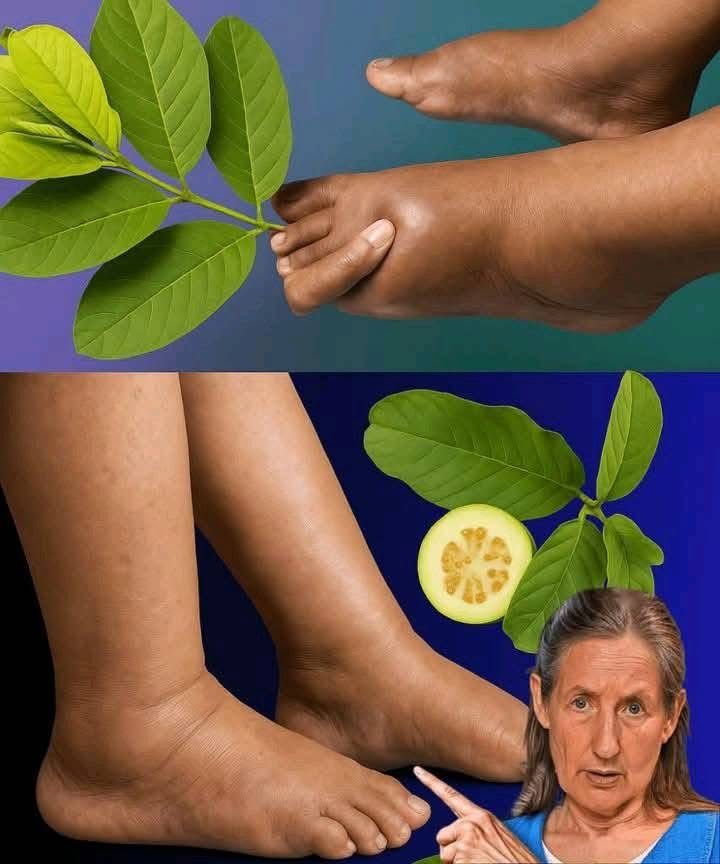
Guava Leaves for Foot Swelling: Understanding Natural Remedies, Fluid Retention, and Medical Realities
Introduction: The Search for Circulation and Physical Wellness
Maintaining optimal circulation, comfort, and overall physical wellbeing remains a top priority for individuals across all stages of life. Just as we carefully manage our long-term financial stability through prudent investment, securing a manageable mortgage, or reviewing our general household finance strategy, taking care of our physical health requires informed and deliberate choices. Vascular and lymphatic health forms an essential component of personal wellness, and finding safe, effective ways to address common concerns like fluid retention, edema, and foot swelling is a top priority for millions worldwide.
Across modern digital platforms, viral health hacks and homemade remedy recipes have gained immense popularity. Graphic visual comparisons showcasing dramatic transformations—such as boiling guava leaves to create a natural herbal tea or soak designed to instantly reduce swollen feet and flush fluid retention—frequently capture public curiosity. While natural plant extracts offer rich antioxidant and anti-inflammatory properties, separating online viral claims from clinical medical facts is crucial to protect your health and achieve safe, lasting results.
This comprehensive guide explores the biology of fluid retention, evaluates the actual effects of guava leaves on circulation and swelling, examines professional medical treatments, and offers actionable strategies for maintaining healthy, comfortable legs and feet.
Understanding Foot Swelling and Fluid Retention Mechanics
To evaluate whether home remedies can eliminate or reduce foot swelling (edema), it is essential to understand how fluid balance is maintained within the body and what causes swelling in the lower extremities.
The Biological Basis of Edema and Swelling
-
Fluid Balance and Circulation: The human body regulates fluid levels through the cardiovascular and lymphatic systems. Blood vessels deliver fluid and nutrients to tissues, while veins and lymphatic vessels drain excess fluid back toward the heart.
-
Causes of Fluid Accumulation: When venous pressure increases, lymphatic drainage becomes sluggish, or proteins leak into surrounding tissues, fluid escapes and pools in the lowest parts of the body due to gravity, resulting in swollen feet and ankles.
-
Underlying Health Conditions: Edema can stem from minor factors like prolonged standing or high salt intake, but persistent swelling can also indicate serious medical conditions such as chronic venous insufficiency, congestive heart failure, kidney disease, or liver dysfunction.
Managing personal health decisions with evidence-based facts is just as vital as consulting a qualified attorney or reviewing your health insurance policies when making major financial or legal choices. Understanding physiological anatomy prevents unrealistic expectations and protects your health from potential risks associated with ignoring chronic symptoms.
Evaluating Guava Leaves in Natural Remedies
Guava leaves (Psidium guajava) are widely celebrated in traditional herbal medicine for their rich botanical composition. Evaluating their physiological interaction with the human body helps contextualize their actual benefits and limitations.
| Natural Ingredient | Key Active Compounds | Primary Biological Properties |
| Guava Leaves | Flavonoids, Tannins, Polyphenols, Vitamin C | Antioxidant support, mild anti-inflammatory action |
The Role and Benefits of Guava Leaves
-
Antioxidant and Anti-inflammatory Action: Guava leaves contain potent plant compounds like flavonoids and tannins that help neutralize free radicals and support general cellular health.
-
Traditional Uses: In various cultural traditions, herbal teas brewed from guava leaves are consumed to support digestive health and general wellness.
The Risks and Limitations of DIY Edema Treatments
-
Inability to Treat Systemic Edema: Swelling in the feet caused by serious systemic conditions (such as heart or kidney failure) cannot be resolved by drinking herbal teas. These conditions require targeted prescription medical interventions.
-
Lack of Diuretic Precision: While some herbal infusions possess mild diuretic properties, relying on unstandardized home preparations can cause electrolyte imbalances or dehydration without effectively addressing the root cause of vascular pooling.
-
Symptom Masking: Treating chronic swelling with temporary home remedies without a proper medical diagnosis can delay essential treatments for underlying cardiovascular or lymphatic diseases.
Evaluating health trends with healthy skepticism safeguards both your physical wellbeing and your financial resources, ensuring you invest wisely in treatments supported by scientific evidence.
Clinical Options for Managing Foot Swelling and Edema
For individuals experiencing persistent or painful foot swelling, professional medical evaluations performed by certified healthcare specialists yield the most consistent and safe outcomes.
Evidence-Based Medical Treatments
-
Diuretic Therapy: Under strict medical supervision, physicians may prescribe diuretic medications (water pills) to help the kidneys rid the body of excess sodium and fluid.
-
Compression Therapy: Wearing medical-grade compression stockings applies graduated external pressure to the lower legs, preventing fluid from pooling in the ankles and feet.
-
Underlying Condition Management: Treating the primary root cause—such as adjusting heart medications, managing blood pressure, or supporting kidney function—resolves systemic edema at its source.
-
Physical Therapy and Elevation: Specific movement regimens and regular leg elevation improve lymphatic drainage and venous return.
Before committing to treatments, carefully review your personal budget and healthcare coverage. Seeking professional medical guidance ensures that chosen therapies align safely with your specific health history.
Practical Tips for Supporting Healthy Circulation and Reducing Swelling
Promoting healthy fluid balance, reducing leg heaviness, and supporting overall vascular strength requires a holistic, daily approach combining movement, hydration, and proper care.
Step-by-Step Daily Best Practices
-
Elevate Your Feet: Elevate your feet above heart level for 15 to 20 minutes several times a day to use gravity to help drain accumulated fluid away from your lower extremities.
-
Stay Hydrated: Drinking adequate water throughout the day paradoxically helps prevent the body from retaining excess fluid, supporting healthy kidney function.
-
Reduce Dietary Sodium: Lower your intake of processed foods and excess salt, as high sodium levels cause the body to hold onto water and worsen swelling.
-
Engage in Regular Movement: Take frequent walking breaks and perform ankle flexes if your daily routine involves prolonged periods of sitting or standing.
-
Wear Supportive Footwear and Socks: Avoid tight bands or restrictive clothing around your lower legs that can impede normal blood and lymphatic circulation.
Adopting structured, cautious habits in self-care reflects the same discipline required in modern business, academic education, or deploying modern technology systems—consistency and informed planning always yield the best long-term results.
Fascinating Facts About Human Fluid Balance and Circulation
-
Fluid Distribution: Water accounts for approximately 60% of total adult human body weight, circulating continuously through blood vessels, lymphatic channels, and cellular spaces.
-
Lymphatic Network: The lymphatic system works alongside the circulatory system to filter waste and manage fluid balance, relying entirely on physical movement and muscle contractions to pump fluid upward.
-
Gravitational Pull: Standing upright places significant hydrostatic pressure on the veins of the lower legs, making humans uniquely prone to lower extremity edema compared to quadruped animals.
-
Guava Heritage: Guava trees are native to tropical regions and have been utilized for centuries across tropical cultures for their edible fruit and nutrient-rich foliage.
Conclusion: Balancing Natural Care with Evidence-Based Choices
Exploring natural home remedies offers an enjoyable way to engage in relaxing self-care and enjoy traditional herbal teas like guava leaf infusions. However, understanding that persistent foot swelling and fluid retention require professional medical evaluation, lifestyle adjustments, or targeted clinical treatments prevents disappointment and keeps your health safe. Just as building a solid retirement plan or managing long-term loan obligations requires patience and sound advice, maintaining healthy circulation is a lifelong journey built on daily care and expert guidance.
FAQ Section
Q: Can drinking guava leaf tea completely cure or eliminate foot swelling?
A: No. While guava leaf tea offers antioxidant benefits, herbal teas cannot resolve underlying medical causes of edema, such as chronic venous insufficiency, heart conditions, or kidney disease.
Q: What is the most common cause of swollen feet and ankles?
A: Common causes include prolonged standing or sitting, pregnancy, high salt intake, minor injuries, and conditions affecting venous circulation or fluid balance.
Q: Is it safe to use herbal diuretics without consulting a doctor?
A: Relying on unverified herbal diuretics is not recommended, as they can cause dehydration, electrolyte imbalances, or mask serious medical conditions requiring professional treatment.
Q: How does elevating the feet help reduce swelling?
A: Elevating your feet above your heart uses gravity to assist your circulatory and lymphatic systems in draining pooled fluid away from the lower extremities.
Q: When should I consult a doctor for swollen feet?
A: You should seek immediate medical evaluation if swelling occurs suddenly, affects only one leg, is accompanied by shortness of breath or chest pain, or if the skin is painful, red, or warm.
